Category: Sideline Stories

Maine Sports Commission Sideline Stories

Sideline Stories: Parise Rossignol

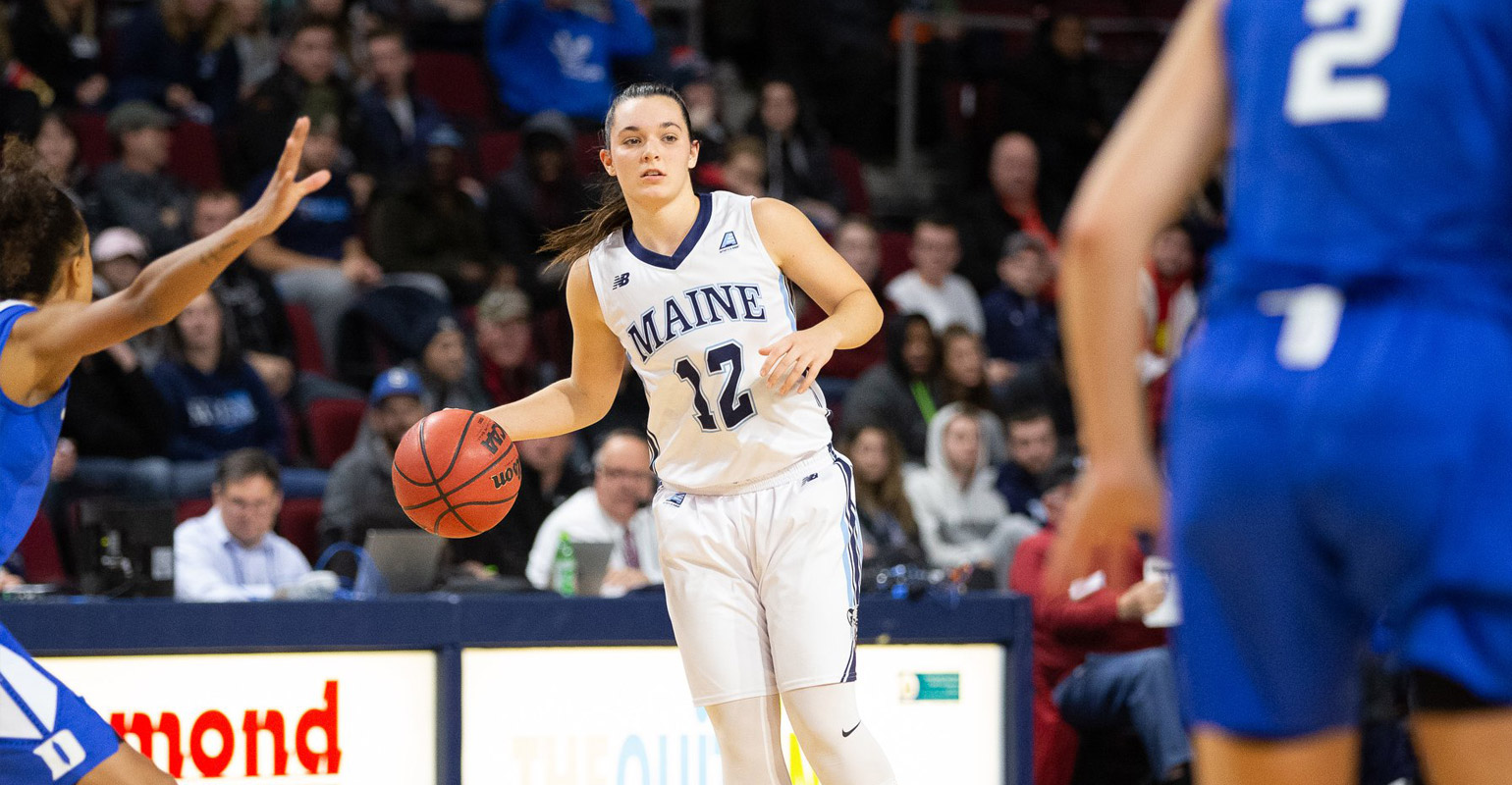
My name is Parise Rossignol. You can usually find me at the Memorial Gymnasium (University of Maine), and that’s also where you could find me for the past four out of five years. If you told me in March that this is where you’d still be able to find me, I would have been confused. As soon as our basketball season ended in March, I began searching for teaching jobs and hoping to get into coaching at the middle school or high school level in preparation for the life I had envisioned for myself since I was in high school. My original plan was to play basketball at the University of Maine, graduate with a degree in teaching, and right after I would get a teaching and coaching job at some school in Maine. But here I am, still spending most of my time at Memorial Gym.

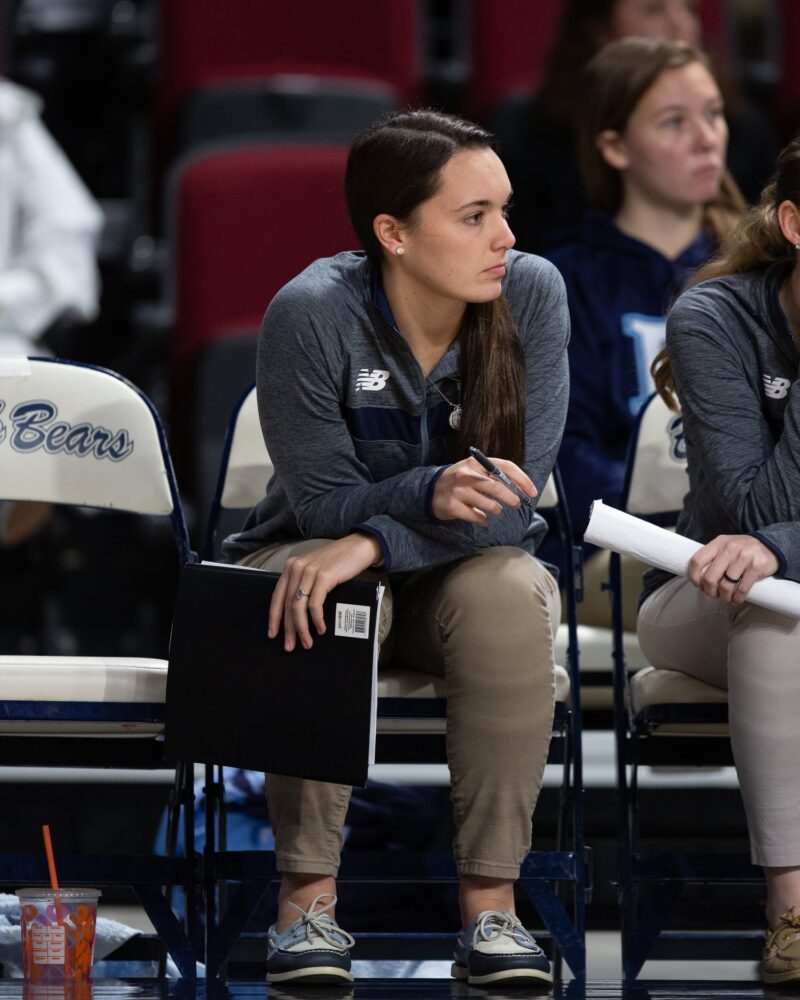
The time that I am spending here looks different now, though. Hanging out in the locker room, lifting weights, getting shots up in the gym, going to practice, and getting treatment in the training room has been replaced with talks about practice plans, re-watching practices and games, putting them through workouts, making scouting reports, and making recruiting calls.

I have been coaching for about four months now, and I can’t count how many people have asked me if I miss playing and how I’m handling the transition. To say the transition from player to coach has been easy would not be completely accurate. There are days where I find it difficult to not be able to get a few reps in of whatever shooting drill we are having our players do, or to not be able to substitute myself in when they’re playing a game of five on five. Anyone who has ever played the game knows that once your time playing is over, you don’t just lose that love for playing the game. You don’t lose that desire to compete, or that childlike joy you experience when you’re playing well, or you’re on fire shooting the ball. When something you have loved doing your whole life comes to an end, it can be difficult.

While all that I’ve shared may make it seem like this transition from player to coach has been difficult, my experience at the University of Maine the past five years has helped me grow in ways that make this transition much easier and, overall, not that hard. My time at Maine has shown me that this game and this team is so much bigger than myself. If I only think about my desires or the things that I miss, then it would be tough to find joy in whatever it is I am doing.

I’ve never kept it a secret that my Christian faith is the most important part of my life. So, I would like to share a verse from the Bible that I’ve been reflecting on that I feel epitomizes what it means to be a part of a team and what my experience has been and continues to be as part of the UMaine Women’s Basketball program:

“For just as each of us has one body with many members, and these members do not all have the same function, so in Christ we, though many, form one body, and each member belongs to all the others. We have different gifts, according to the grace given to each of us. If your gift is prophesying, then prophesy in accordance with your faith; if it is serving, then serve; if it is teaching, then teach; if it is to encourage, then give encouragement; if it is giving, then give generously; if it is to lead, do it diligently; if it is to show mercy, do it cheerfully.” – Romans 8:4-8.

I’ve had many different roles as a member of this team. I’ve been the player that works hard in practice but doesn’t play in games, I’ve been the player that gets solid minutes coming off the bench, I’ve been the player that starts every game and rarely comes off the floor, and now I fill the role of the coach. In every single one of these roles, I know that I have been an integral part of the whole team. Every single person on our team, every player, every coach, and every trainer has various gifts and roles. Each is a necessary part of our whole, and there is joy in knowing that.

So while yes, there is a transition going from player to coach and, of course, there are days that I would love to be on the floor playing, there is so much reward in serving our players first and foremost and knowing that what I do matters. Every day I get the pleasure of coming to my job and working hard alongside incredible coaches for a program that brings a great amount of pride to my home state of Maine, my favorite place in the world. I get to work with young women who selflessly buy into the goals and values of our program and give everything they must to try and bring success and pride to the University of Maine, no matter what their specific roles may be. Basketball is the best game in the world, and it is a gift that I have the opportunity for the sport to still be a part of my everyday life.
Maine Sports Commission Sideline Stories

Sideline Stories: Hannah Fitts, Bates Female Rower

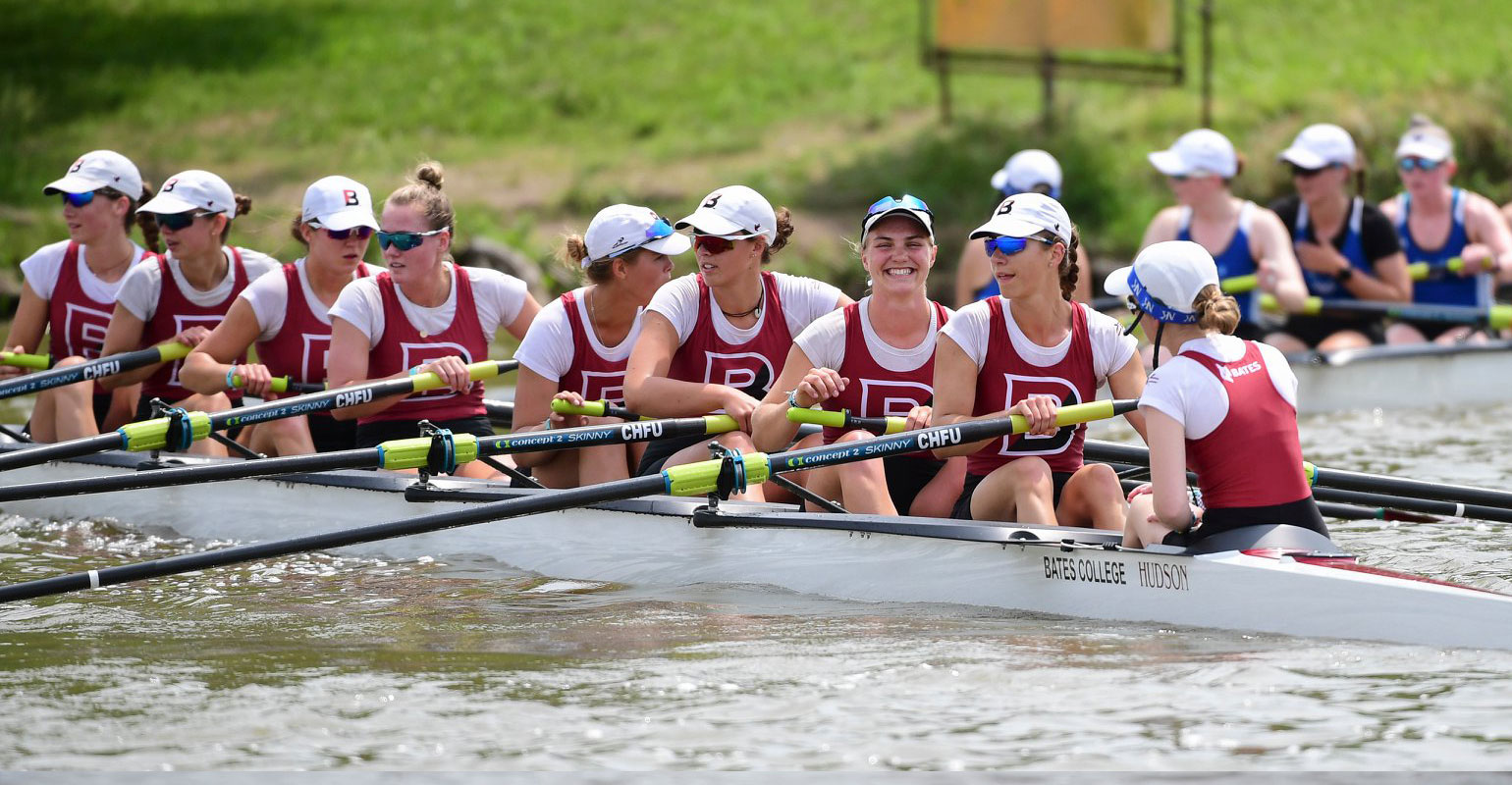
The Androscoggin River, where our team has their rowing practices, spans over 11,000 meters of water that is banked on the east by a few hidden farmhouses, and on the west by a preserved forest. The only interruptions during practices are the occasional fishing boats, or our coach stopping to point out a bald eagle. This is where we, the 90-plus student-athletes of the Bates women’s and men’s rowing team, practice every day from September to November, and then again in late April after we crack open the frozen river with sledgehammers. During the rest of the school year, we spend our practice time on indoor rowing machines at the Bates College gym.

Due to the hard work of the entire team, we earned a qualifying bid to Nationals this year for the third time in a row! Bates got to send their top 21 rowers on the women’s side to compete at the NCAA DIII Rowing Championships. For this year’s championship, we flew to Indianapolis, along with 36 other teams, and many of the competitors’ parents. I flew next to a wide-eyed first year, who asked all about the snack tents, the cool NCAA water bottles, and the hotel that we share with teams from all over the country.

When we arrived at the racecourse, despite being greeted by our three smiling coaches and familiar boats, we could feel the drastic change in ambiance. The song “Twist and Shout” was playing over the loudspeaker, and the women from the Universities of Washington, Texas, and Ohio surrounded our little red tent with their whirling fans and their blasting hype music.

Amongst the competition, cheering parents and teammates, interviews and nervous rest periods, we tried to find quiet time. This race was the culmination of a year of hard meters, erg relays, eight-minute pieces, early mornings, ice, grit, and flexibility. We owed one final all-out effort to honor our teammates at home, our coaches, Bates, and most importantly, ourselves.

We left our snacks, NCAA water bottles, and hotel room keys on land as we rowed to the start of our final race on Saturday morning—the last time we would row together as a unit. Just before the announcer called our team to the starting blocks, a bald eagle flew over our heads. We smiled and felt like we were back home. Seven minutes later, we crossed the finish line and collapsed into each other’s arms filled with pride, gratitude and joy.

Yasir Marathon tale

Sideline Stories: Yasir Salem

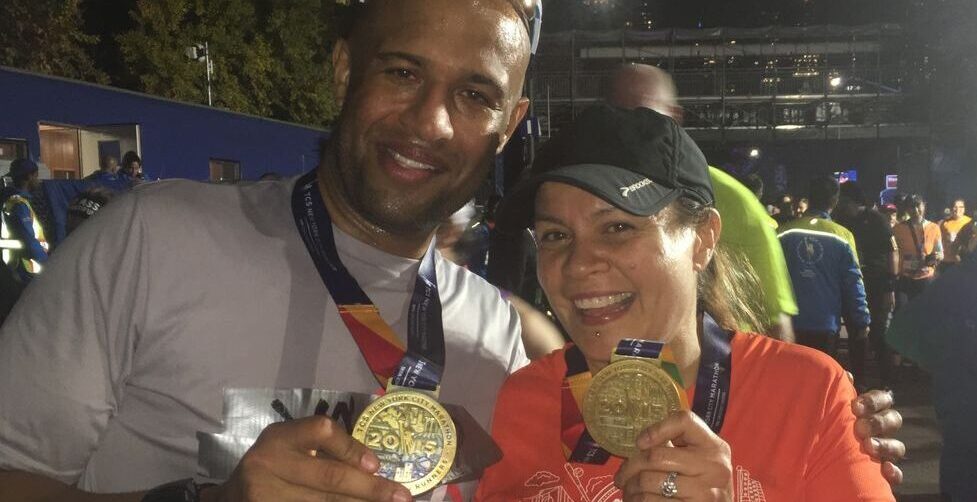
Yasir Salem is a man on a mission. Beginning with the NYC marathon in 2018, Yasir will run 50 marathons in 50 states, including the Maine Marathon on October 6. Yasir is taking on this enormous feat to honor his late wife, Gweneviere (Gwen) who passed away July 2018, two months after a diagnosis of stage 4 lung cancer. Yasir is also running to raise money for the Gweneviere Mann Foundation, a non-profit he started after his wife’s diagnosis to spread awareness for early detection. He has raised over $50,000, and his journey is just beginning.
While the “50 in 50” initiative may be new, distance running has been an important part of life for both Yasir and Gwen since 2008. After Gwen recovered from a meningioma brain tumor and the short-term memory loss that occurred after its removal, she and Yasir began running marathons together. Over eight years they completed eight marathons together, including seven New York City Marathons the Harrisburg marathon. She also harnessed her challenges following brain surgery into inspiration for music and writing, recording an album, and beginning a memoir.
Gwen went on to graduate with honors from NYU with a degree in creative writing, attended Juilliard for music theory and was accepted into Columbia’s MFA program where she was due to start Fall 2018. 10 years after being diagnosed with a brain tumor, a rare form of lung cancer took her life on July 22, 2018, at the age of 47.
Yasir is passionate about continuing Gwen’s legacy to encourage early detection. If you are interested in learning more about her story, please click here: https://storycorps.org/animation/marking-the-distance/

Maine Sports Commission Sideline Stories

Sideline Stories: Caleb Kerbs

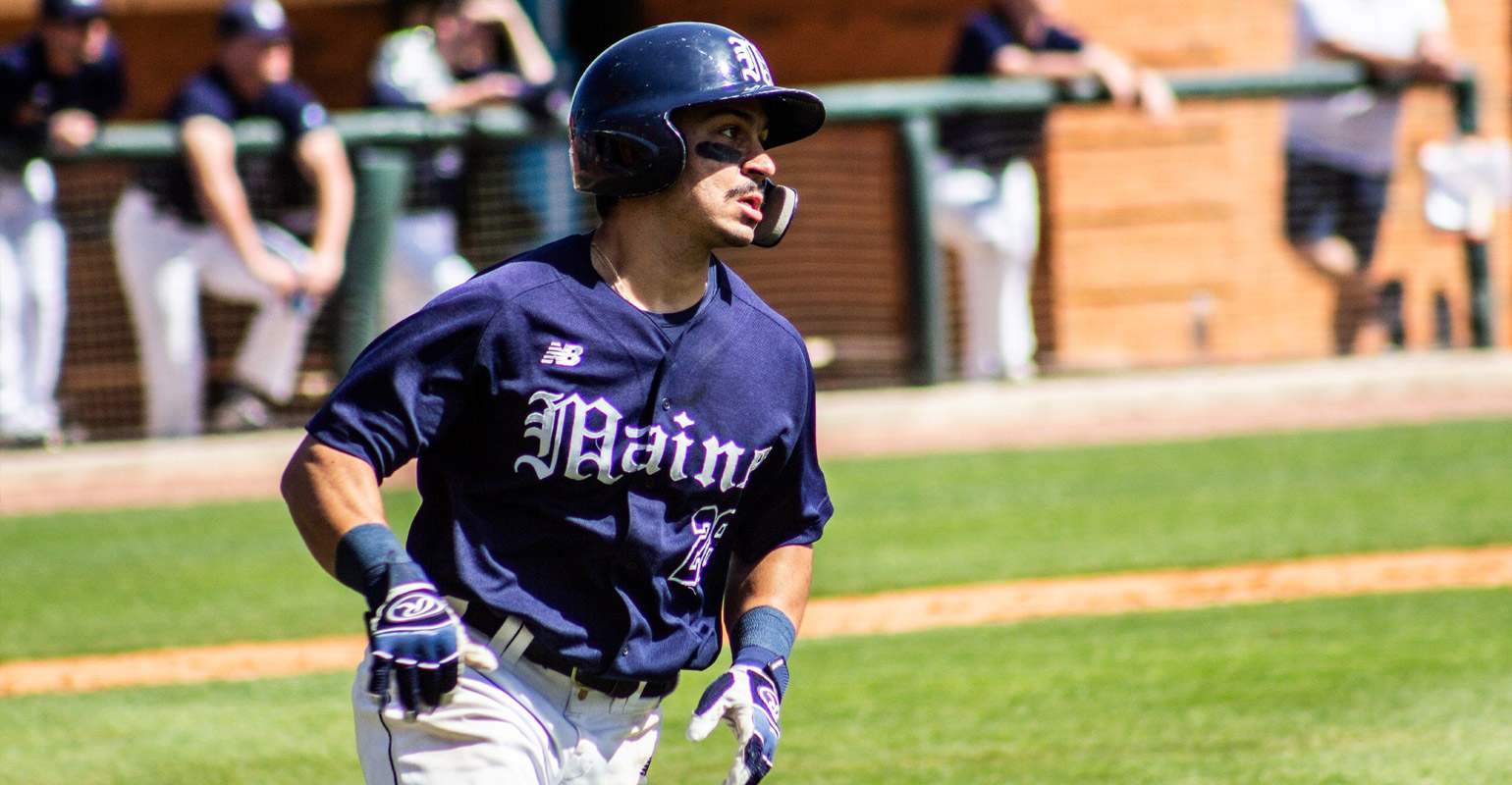
My name is Caleb Kerbs. Growing up in New York City, life presented a series of obstacles. Life in the city is fast-paced, loud, and crowded. So, I had to be ready to adapt and adjust to my environment at any moment. In high school I played baseball for The Beacon School, a liberal arts public school on the Upper West Side of Manhattan. It took an hour-long train ride to get there every morning and sometimes I had to run from the train station so I wouldn’t be late to class. I quickly learned how to be a disciplined student and committed athlete. I played on the varsity baseball team as a freshman which added pressure to balancing my homework and managing my time wisely. My baseball team did not have a home field, gym, or the basic equipment most high schools have to practice on so we had to be creative, and, sometimes even practiced inside on wooden gym floors. But this didn’t matter because we were there to play the game we loved, with passion. I was named Captain of the team during my junior and senior years and managed to lead the team on to two very successful playoff runs.

To be recruited by a Division I college was difficult for a city kid who did not have the exposure to or experience with a long, outdoor baseball season or well-endowed facilities. I played a 16-game schedule and dealt with the cold and snow that forced us indoors, and onto scrappy urban fields. But the universe works in funny ways and I somehow managed to be in the right place at the right time and was spotted by coaches from the University of Maine.

During my first few months in Orono there was no shortage of obstacles. I red-shirted my freshman year due to a leg injury which meant I couldn’t compete in games and that I needed development to make an impact on the team. I used this to motivate me. I worked harder and harder, staying late after practice and sacrificing a social life to hone my skills. It would pay off. In my second year I earned a starting spot on the team as a walk-on and would play in almost every game until my junior year.

When I was diagnosed with testicular cancer, hearing the “C” word shocked me. For the first time in my life, I thought about death. I thought about the mark I had left on the world already and all I still wanted to accomplish. Fortunately, I had discovered my cancer in its early stages, so it had not spread into my lymph nodes, lungs, or brain. Most men with this illness do not seek medical attention because of the stigma and fear attached to this disease, with lethal consequences. I left my team in May of 2018, during a playoff run in order to get surgery at Memorial Sloan Kettering Hospital in New York City. I did not need chemotherapy and radiation treatments due to my early detection. It took me six full weeks of lying in bed to fully heal from the procedure. When I began to train again, I was even more determined to rejoin my team on the field. In the process I was able to reflect on my life. I realized I had a choice to make about how I would respond to this illness. It would either a) define my existence, or b) offer new meaning to my suffering and lead me to take further action. I chose the latter.

In the fall when I returned to Maine I met with my coaches and teammates to get them on the same page. My goal was to spread awareness about this illness using my platform as a student athlete to focus attention across the university, and the world. Together we decided to make several testicular cancer awareness videos that would play on a comedic theme in order to engage people. Then we would post these videos, and my story, on social media. We used the catchphrase, “Check Your Bumps For Lumps,” to get the message out about the importance of self-detection. I was extending far outside of my comfort zone. It was uncomfortable to be vulnerable, sharing all my personal information, yet, in the end, it was very rewarding. I received messages from MLB pitchers, the head of the Testicular Cancer Foundation, and even testicular cancer survivors who were inspired by the videos. I felt successful for making a real difference in people’s lives. Finally, I was honored to speak for the 2019 seniors at the America East Conference tournament banquet where I shared my story in person in front of 300 guests. I received even more feedback and support from around the league, which showed me that, while we were competing against each other, we were all still one big family. This experience marked a big step for me because it meant letting go of doubts, I had about what I was capable of accomplishing. It also taught me to trust my inner truth and showed me that I was not alone. I experienced true character growth.

Lastly, I am grateful to be alive and present in each moment. I meditate regularly in order to observe my thoughts, feelings, physicality, and desires. Cancer is no longer the enemy, but, is rather a teacher in my life. It was the guide I needed to reveal how delicate and precious life is. Thank you, Cancer, for leading me to a more meaningful life.

Maine Sports Commission Sideline Stories

Sideline Stories: Terry Perkins Mitman

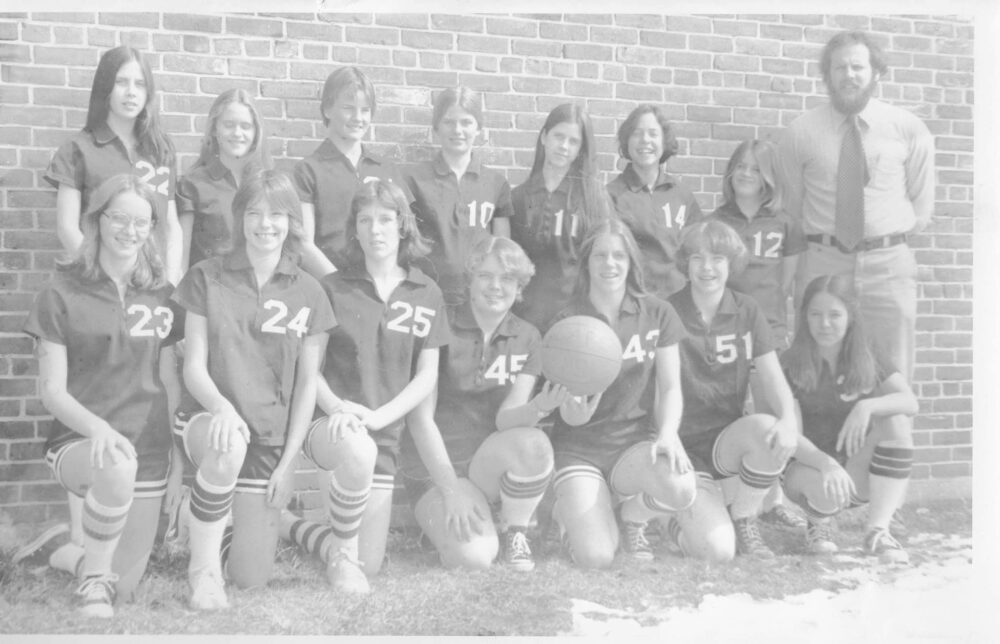
When asked about the positive impact of sports on my life, I’m flooded with memories. In the 1960s, sports meant playing “Giants” as Dad chased me around the house, learning to swim in the same cove as Mom, and practicing foul shots in the driveway with brother Dave who convinced me I could make them with my eyes closed (until I peeked to see his assists). In the ‘70s, sports expanded to include practicing figure eights on the pond out back after our yearly trip to Boston’s Ice Capades, cart-wheeling across the living room floor to impress my grandparents, off-trail skiing with friends at Pleasant Mountain and Saddleback, doing whatever else was needed to keep up with my athletic cousin Margie, challenging the boys on the playground to chicken as I hung from the monkey bars, leaving summer at our camp on Snow Pond (never easy) to attend overnight athletic camps, and joining my first competitive school teams. In the ‘80s, sports became more focused, as I learned to put team first, trust our coaches, be a good sport, lead by example, and compete – with a field hockey state championship photographed by brother Donny, a college softball roster spot that took me all over the Northeast, and participation in a university men’s basketball league while I taught in China. Throughout my youth, sports gave me all kinds of opportunities to stretch and grow.

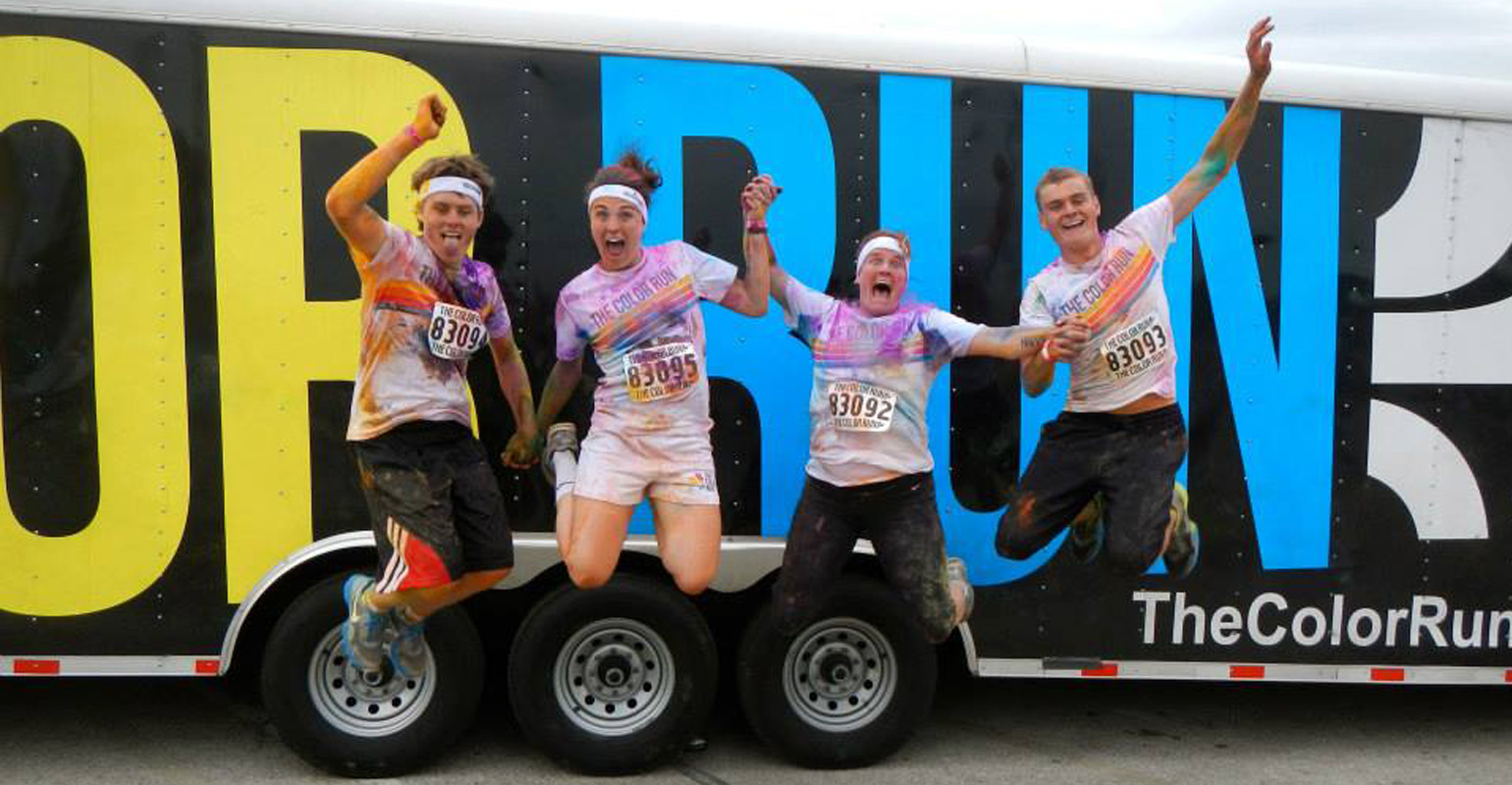
In the ‘90s, my child-bearing decade, sports became restorative, helping me shed (some) pregnancy pounds, let off steam, play in the yard with the kids, and connect with other Moms. In addition to raising New England fans in the Midwest, the 2000s brought a mad rush of youth sports – which I coached, managed, and supported, sharing lessons I’d learned along the way. Sports in the ‘10s brought more time on the sidelines cheering, on the court rebounding, in the backyard catching and, after I’d recuperated from Lyme Disease, in various settings sweating – from the Color Run, to Cross Fit, to Orange Theory Fitness. If the kids asked, I said “yes!” which explains the spring break spent getting diving-certified with our youngest, the older two at college. While early in my parenting life, sports encouraged me to take time for me, later in my parenting life, sports added depth (scuba pun intended) to the time I spent with my kids and their friends. Having recently relocated our almost empty nest from Wisconsin to Maine (after three decades away), sports are helping me replant roots where it all began – hiking with the dogs at Crescent Beach, swimming the Tri for a Cure in Casco Bay, and practicing basketball in various local gyms, including the one where I played in seventh grade.
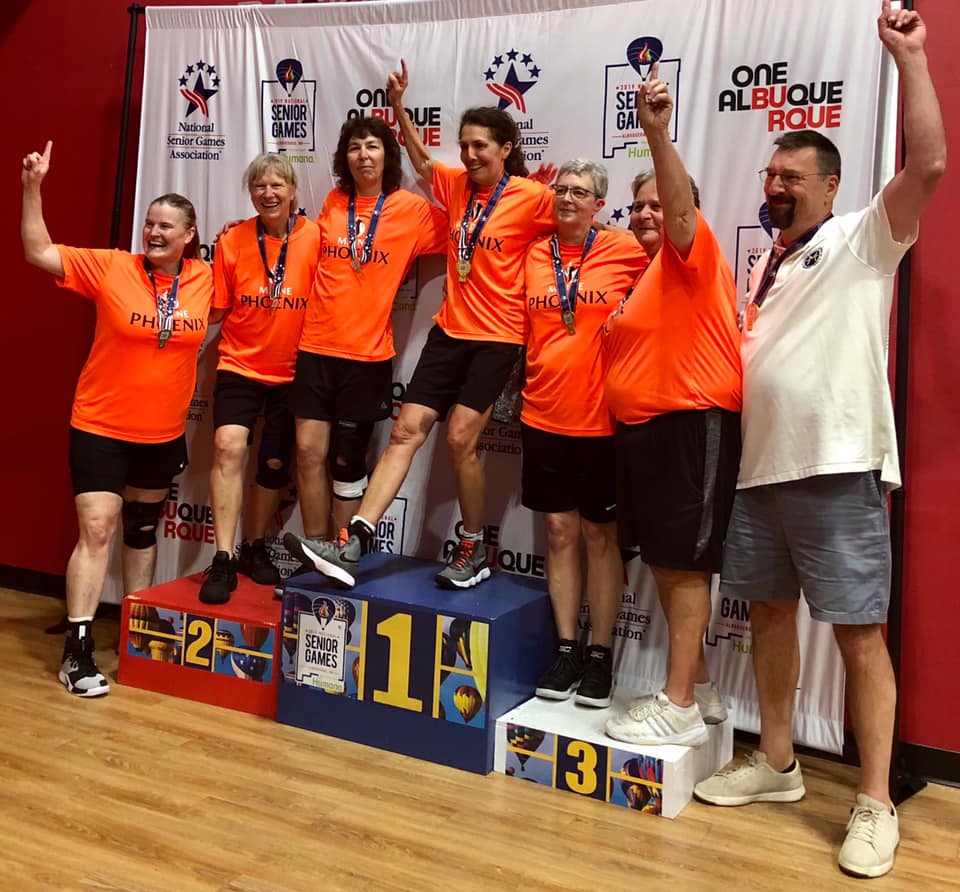
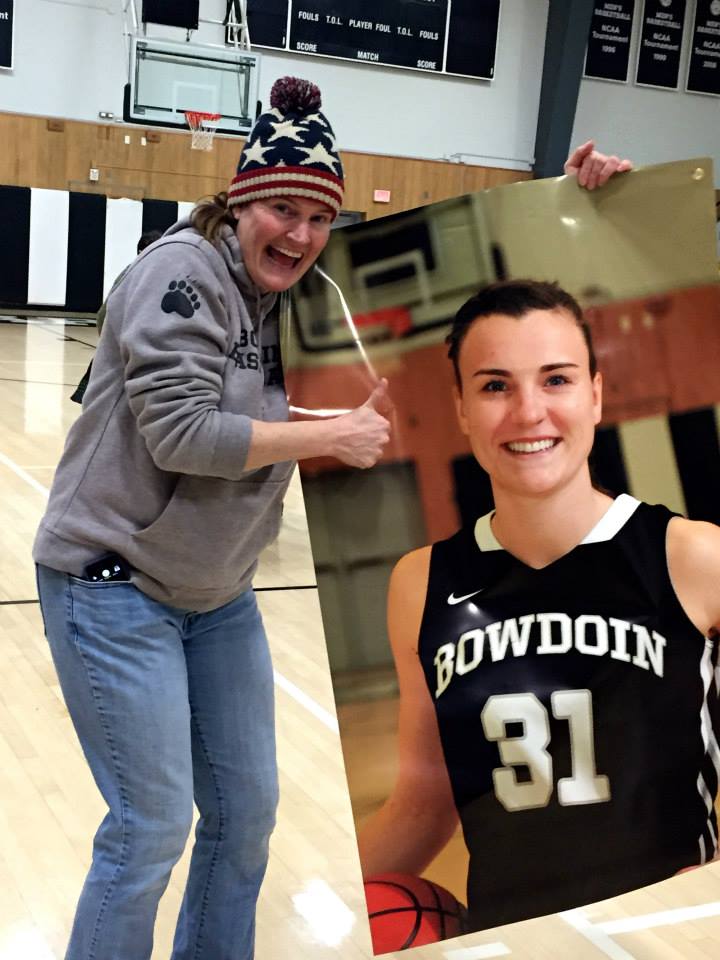
As I’d neared fifty, but for the annual mother-daughter game of Bowdoin Women’s Basketball, I’d thought my competitive days on the court long gone. Then, while lunching with a high school coach and several teammates, our record setting center, Biz, described her gig coaching the over 70-year-old Pioneers and encouraged me to attend Deb Smith’s Not Too Late Basketball Camp. What started out as a bullet point on my bucket list became reality last summer when 54-year-old me left our camp on Snow Pond (de ja vu!) and headed south to UNE, excited to spend three off-duty nights in a dorm pretending to be a kid again. I quickly found myself wowed by the skill, intensity, and welcome of the athletes I met, ages 16 to 76. By week’s end, even with the classic sprained ankle, I was recruited to join Maine Senior Women’s Basketball Program with Team Phoenix – a gift in more ways than I can do justice here.

From the get-go, sports have provided me a way to become healthier and stronger, to connect with people and places around me, and to enjoy much-needed respite and old-fashioned fun. These days, as I care for my 87-year-old Mom, her Alzheimer’s Disease making it increasingly difficult for me to step away, having a basketball community that encourages me to show up and think about something else is transforming. I’m deeply grateful for the way our recent trip to Albuquerque’s National Senior Games – where we won gold! – inspires me to keep working on my game by providing living proof that there are many more sports decades ahead, as long as I let age be the motivation, not the limit!

Maine Sports Commission Sideline Stories

Sideline Stories: Casey Taker IRONMAN 70.3

I will never cease to be amazed at the adventure life can be. If you told me 3 years ago that in a few weeks I would be racing 70.3 miles…in Maine… with my Dad – I’m pretty sure I would have just laughed.
About a year ago, I started to notice a few things about myself:

#1. I was great at talking myself out of things I loved doing.
#2. I had not stepped out of my comfort zone and challenged myself in a long time.
#3. My Dad was still way cooler than I was.

I was about 2 weeks into my new job in Tampa, Florida, when I decided I needed to do an IRONMAN 70.3. It scared me to even think about. I was athletic, but besides running, none of the skills needed to tackle such a feat came naturally. Most of my cycling had been on bikes with fat tires and my current stroke of choice looked more like the doggy paddle. Yet, somewhere in the depths of that fear I felt empowerment.

Clicking onto the map my eyes were immediately drawn to the top right-hand corner of the country. Every summer my Dad heads up to Maine to escape the heat of the South and tend to our family’s summer cabin. Every summer I talk myself out of going because I convince myself I am “too busy.”

Suddenly I had two goals lined up in my sights. A phone call later I had a partner in crime. My Dad, never one to miss out on an challenge, was skeptical (I’m blaming it on the colorful, skintight clothing) but, did not hesitate when I asked if he wanted to join in the expedition. Damn…I may never be as cool as he is.

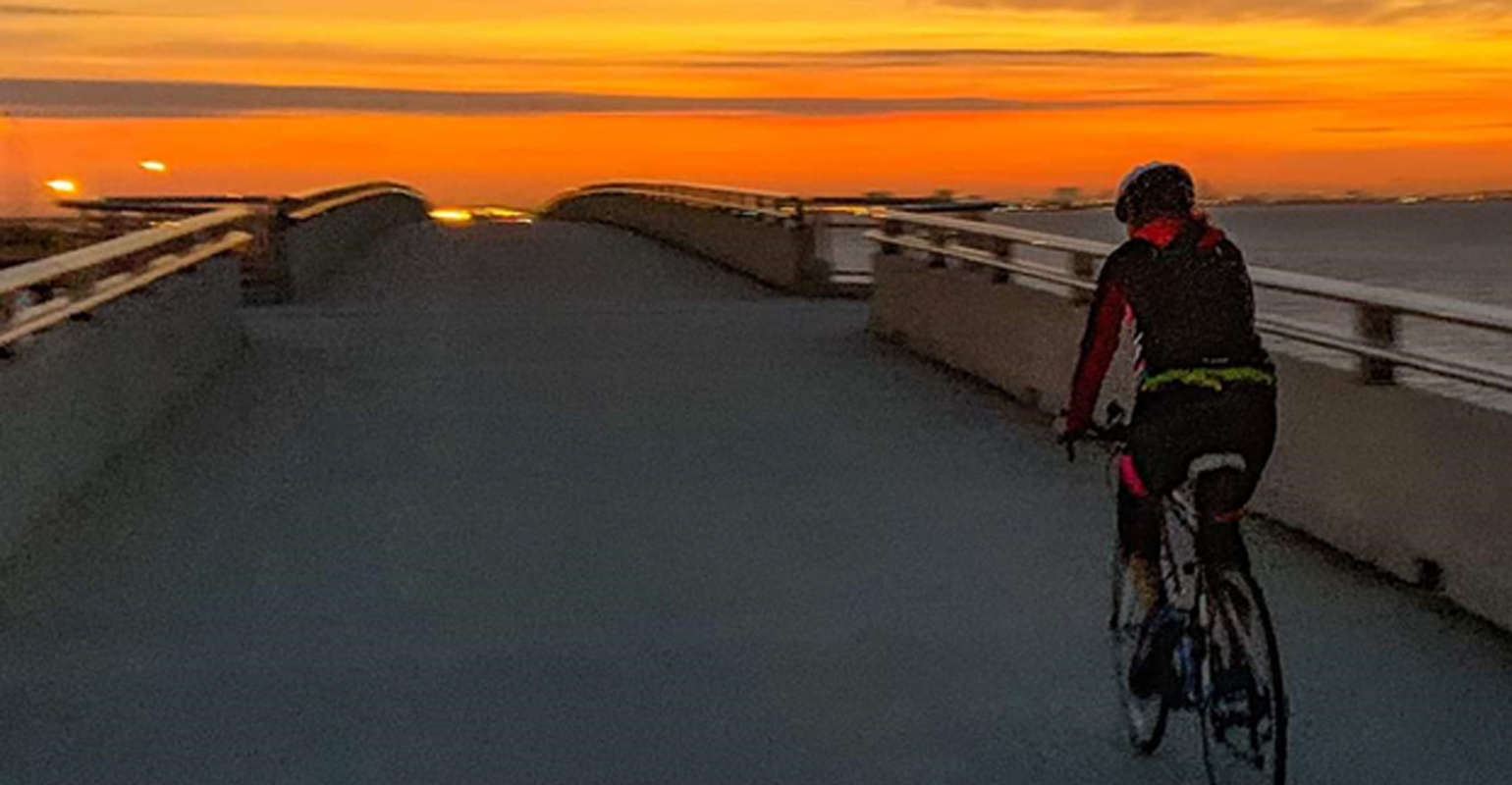
Fast forward 7 months and wow, what a journey this has been! I am now one of those people who bikes bridges before breakfast and rinses the day off with a swim in the ocean before dinner. I’ll still hit the snooze every now and again but, excuses no longer find their way into my everyday vocabulary. I remind myself that life is short, and that you must do the things you love every chance you get. It’s amazing that one little decision can start the domino effect that can completely change your life.

I cannot wait to get back up to Maine and cannot think of a better place to have such an adventure. This state has been such a big part of my family’s life for so many years. I know it’s up to me to keep the traditions going.

Maine Sports Commission Sideline Stories

Sideline Stories: Barrett Takesian

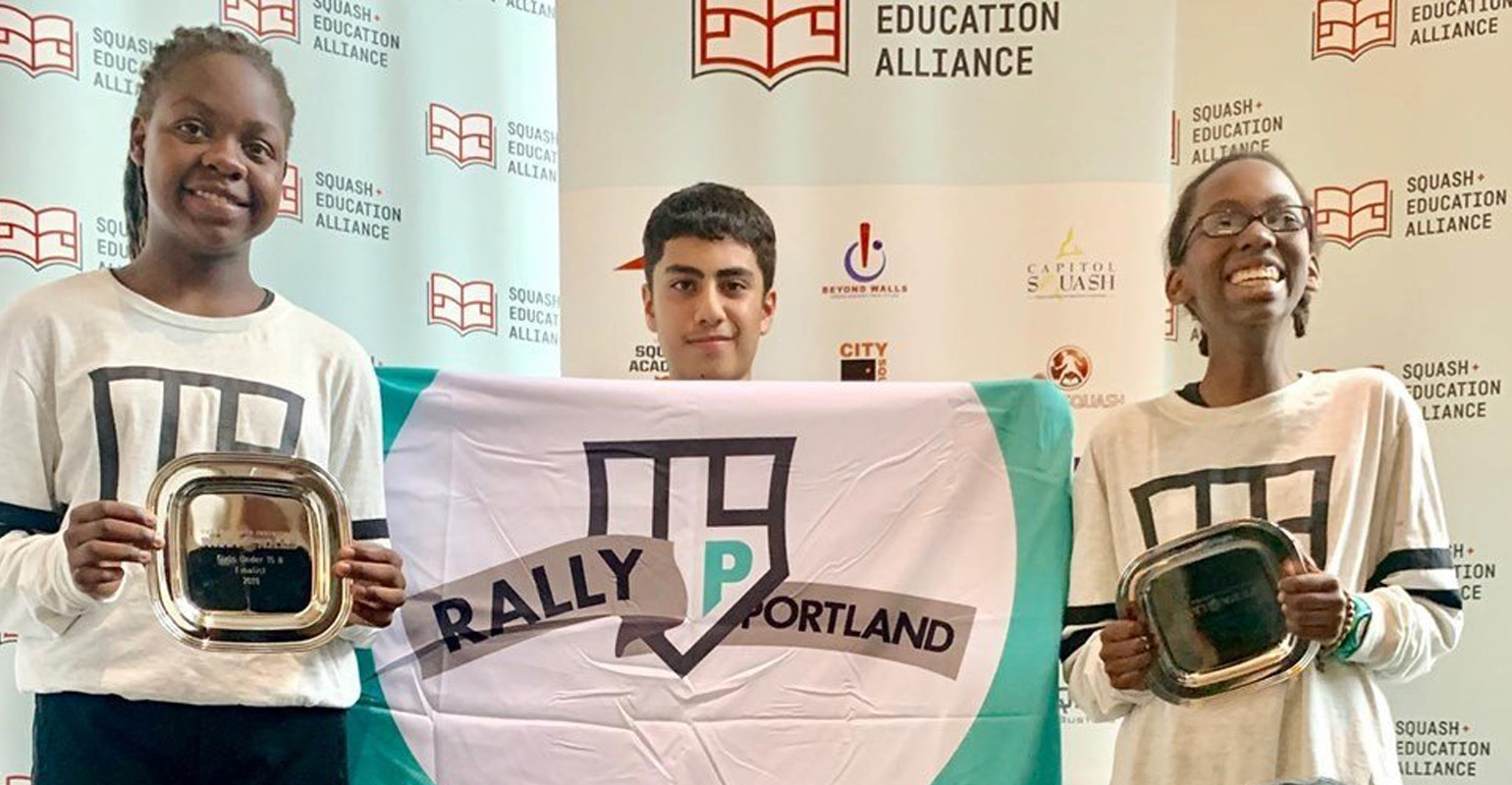
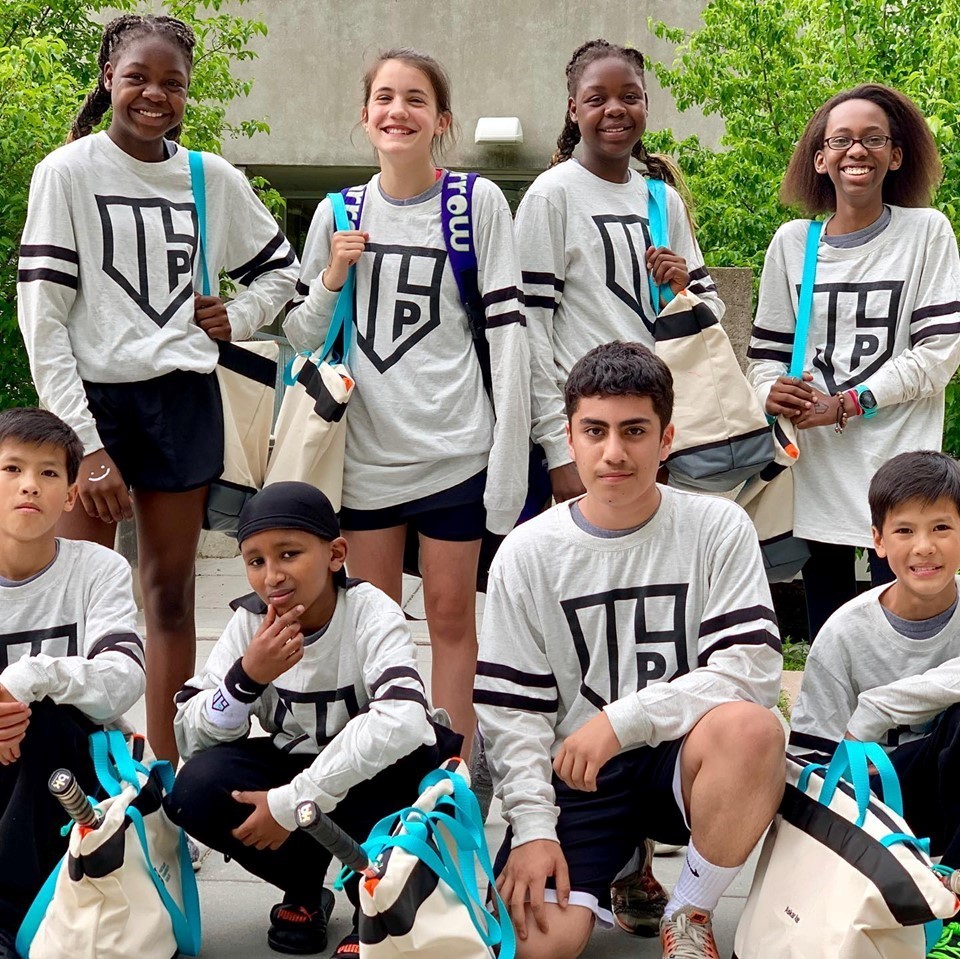
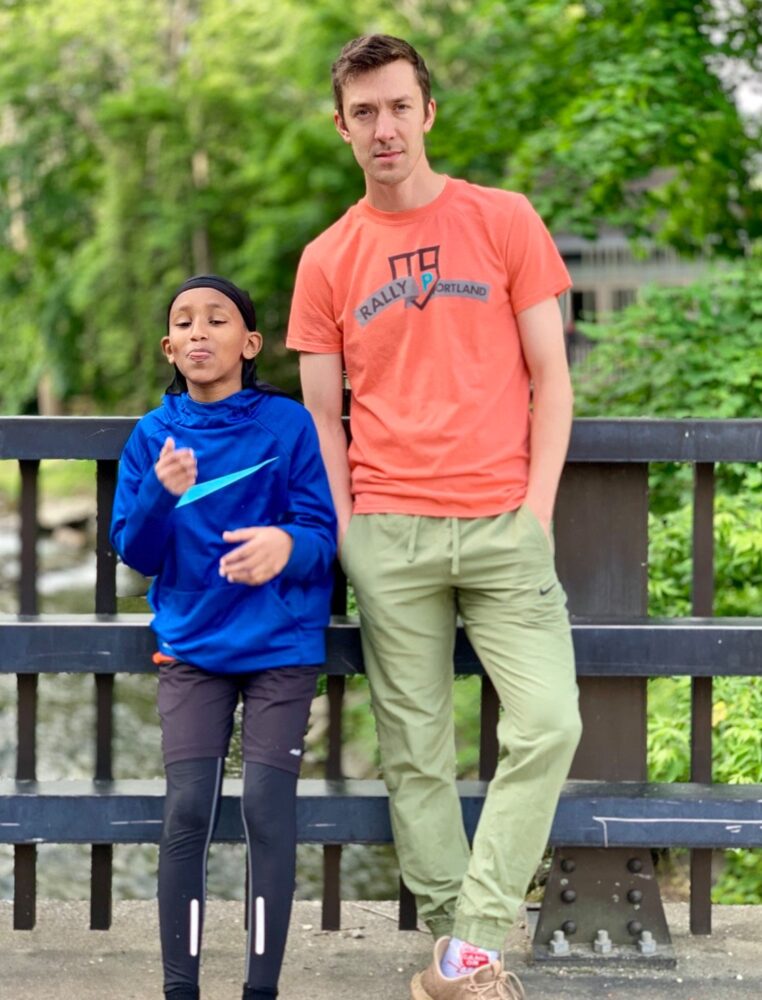
My name is Barrett Takesian. My license says I’m 29, but I’m still the six-year-old kid running around Southwest Harbor, ME, swinging a club, throwing a ball against the barn, and fishing for trout. Since graduating from Bowdoin, I have always called myself a community builder. While there are many effective tools for building community, my favorite is the sport squash. Maybe it’s the friendships that come out of the shared struggle, the happiness that comes from the active meditation chasing the ball, or the comradery that’s formed lounging outside the courts. Between 2013 and 2017, I collaborated with the squash community in Portland, ME, to pioneer ‘the community squash model’ – a mixed-use facility that would support intentionally diverse adult leagues and college-oriented youth programs. In 2017, we opened our squash and education facility in a former synagogue. We now have 100 students and 200 adults using the facility every week. Our youth programs go far beyond squash. Students are enrolled in our program from sixth grade to college graduation, and they spend just as much time in our classrooms, wellness studio, and traveling beyond the building, as they do on the squash court.

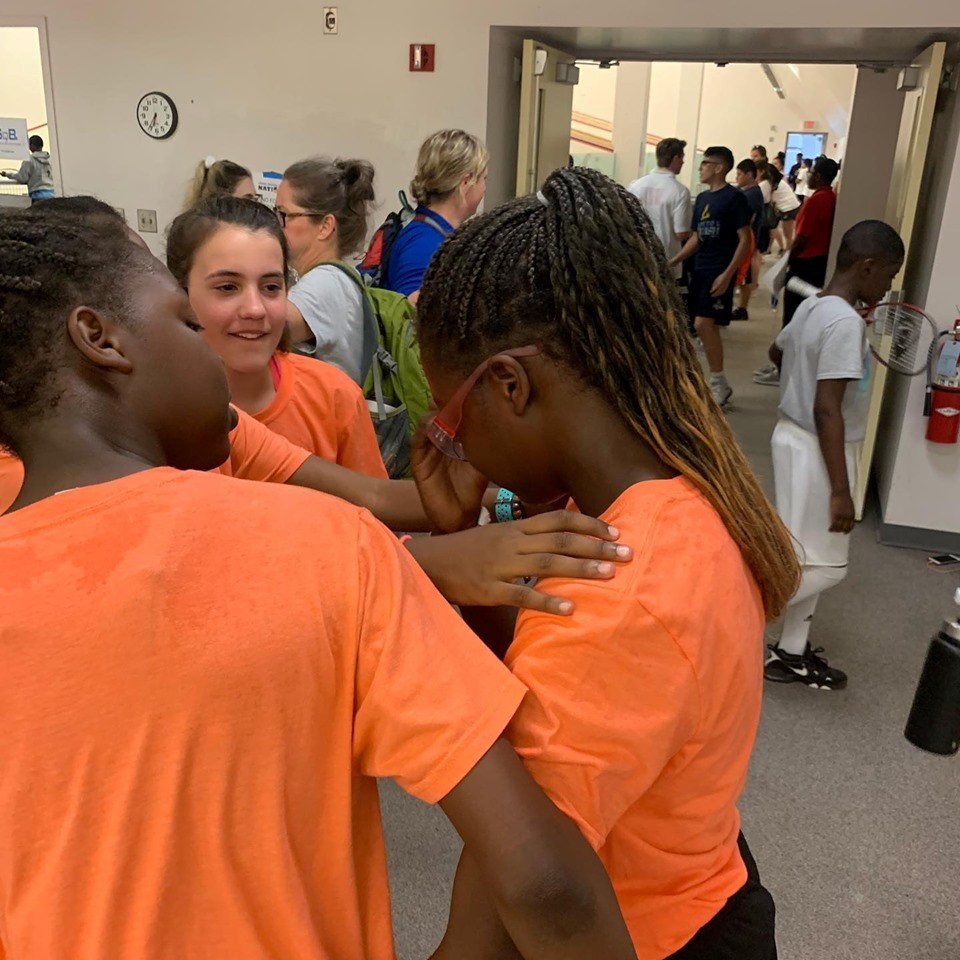
This past weekend, some of our student’s rep’d the SHIELD at Urban Squash Individual Nationals. The tournament was a culminating event for our community – much like a theatre’s spring play or a church’s Christmas dinner. Our team’s positive culture was on display in every match. On the last day, two matches triggered my emotions in a way that only special sporting events can. The first match was Iman competing in the semi-final of her draw. Iman’s family is from South Sudan, and you can’t miss her smile, her identical twin sister, Inas, or her speed – she is a decorated track athlete. Squash matches are won when a player wins 3 games; each game is played to 11 points. The most dramatic matches are settled in the deciding 5th game. Iman was tied 10 all in the 5th game awaiting a backhand volley serve return – the hardest shot in squash. She was visibly shaking, and while she is all smiles, all the time, everyone could feel the intensity of the moment. After walking off-court, victorious, Iman couldn’t hold back the tears, and she fell into the arms of her twin sister. Later in the day, Tommy found himself in the 5th game with a great opponent from CitySquash in the Bronx. Coming down the stretch, students from all over the country were cheering for Tommy. After winning in dramatic fashion, Tommy was swarmed by players from Chicago to Baltimore. On the drive home, I was feeling grateful for another day working where community and sport meet.

Maine Sports Commission Sideline Stories

Sideline Stories: Clara Brown

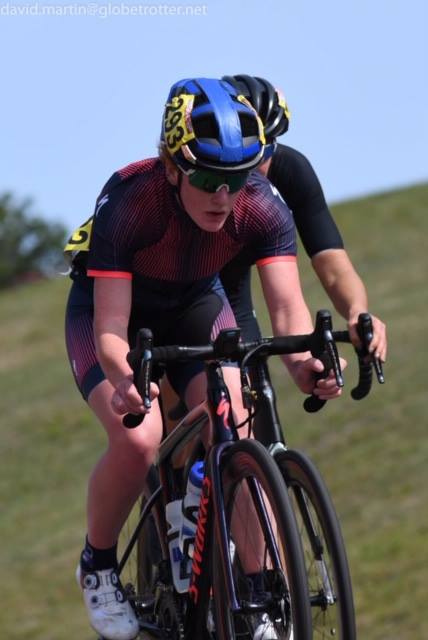
At the age of 12, I fractured the C5 and C6, two vertebrae in my neck, in an accident at gymnastics practice. I also damaged my spinal cord, leaving me paralyzed from the neck down, though this did not completely sever the cord. I spent a few months as an inpatient and later as an outpatient, relearning how to eat, walk and do other basic functions. When I arrived at Shepherd, I was completely paralyzed from the neck down, though gradually gained back muscle function throughout the course of my time there. After the initial SCI I had several other compounding medical issues which left me in and out of a wheelchair for the next several years. I had a hip replacement at age 15 that I consider my turning point toward becoming the healthiest I have been since my accident! Four years ago, I bought a road bike and have been getting stronger ever since. I currently hike, backpack, ski and ride bikes.

I competed in my first international cycling race in August of 2018, in Baie Comeau, Quebec, as an independent athlete (unaffiliated with any country because I have not yet made the USA national team, though was invited by them to train).
In paracycling, there are varying levels of impairment and each athlete must be evaluated to be placed in a competition category. As a C athlete, I ride a normal bicycle with some modifications (all braking and shifting is on the left side.) Within C, there are 5 levels with 1 being most impaired and 5 most functioning. Within the C3 category during the competition I placed 4th in the time trial and 3rd in the World Cup road race in Quebec.

I was just selected as a discretionary athlete of the national training camp in Carson, CA. For now, I’m gearing up for track racing with Nationals on December 8-9, 2018, as my first competition of the track season. I’m hoping to be selected for the World Championships team and also make the national team in 2019. I’m also applying to live in the Olympic Training Camp, Colorado Springs, CO leading up to Tokyo in order to focus on training, free from other distractions. This summer I also competed in able-bodied races in the state of Washington to gain more general reading experience and have ridden among a diverse field of athletes.

Maine Sports Commission Sideline Stories

Sideline Stories: Ted Hart

Hockey has been a significant part of my life for nearly 20 years. Ever since I learned to skate, my schedule has revolved around opportunities to play hockey. It has introduced me to my best friends, opened the doors to great schools, and taught me lessons of commitment and discipline that I will use for the rest of my life. While the sport has become more challenging as I’ve progressed in my career, it has never ceased to be the fun game that I enjoyed so much as a kid. The main reason I’ve continued to love the game stems from the environment in which I was born. Hockey is just as big a part of my family’s life as it is my own.

My parents met at Bowdoin College, where my dad played hockey and my mom ran track, so it isn’t too surprising my brothers and I picked up sports at young ages. My oldest brother, Kevin, began ice skating at three years old on the rink my dad built in our backyard. Brian, my middle brother, started skating only a couple of years later, so when it was my turn, there was no doubt hockey would be a part of my future. Because of this, my love for hockey never felt forced. We wanted to compete and have fun with each other, so pond hockey and street hockey were the natural ways of doing just that. When we played youth hockey for Casco Bay, our dad was usually our coach, and our mom was watching in the stands. Our family continued to become more involved in hockey, and, since we can enjoy it together, the sport has become even more fun.

It has been six years since I left Greely High School and played hockey in Maine. I’m very excited to be back in Portland and have the opportunity to play for the Maine Mariners. Playing my first professional game in front of my friends and family will be a special feeling!