Category: Sideline Stories

Sideline Stories: Alana LaCourse, Maine U16 Alpine Skier, Gould Academy

For a downhill sport, we face uphill challenges.


I first started skiing when I was two years old because my parents had been ski instructors when they were younger. I learned how to ski at Mt. Abram in Greenwood, Maine yet I lived in Boothbay, Maine on the coast. My parents would take me skiing every weekend and when I was four years old they signed me up for group lessons.  I participated in them until I was eight and at age nine I started competing in recreational races and I was hooked! Since then I have participated in ski race training with Mt. Abram, Lost Valley Race Club and Gould Academy Competition Program. I am currently a sophomore at Gould Academy and our home mountain is Sunday River Ski Resort in Newry, Maine.

When I was 12 years old in 7th grade, my parents signed me up to compete as an Independent Racer with the Maine Junior Ski League. Because I lived in Boothbay and my school didn’t have a team it was up to my parents to drive me to races so I could compete. The first race of the season was at Kents Hill in Readfield. I was excited to be there among tons of ski racers in attendance from many different schools from all over the state.  It was a slalom race where you should have all the protective safety gear. As we were inspecting the course, I remember seeing one girl who virtually had no equipment; she had no race suit, no protective gear, no race skis, and didn’t seem to know how to ski very well at all. Throughout the season I saw her at other races and despite her lack of gear she kept showing up. This really made a huge impact on me. As I continued to attend races that winter I observed other kids who also didn’t have the necessary safety equipment. At the finals that year I ended up placing 7th in both Slalom and Giant Slalom. At that awards ceremony those same kids were there and my heart went out to them and, especially that particular girl; because of their lack of good equipment I believe they were not able to do as well.  I’m not sure if that girl is still skiing or not now as I never knew her name; but I hope she is still on the slopes. 

In 8th grade, I moved up to being a United States Ski and Snowboard skier with Gould Academy as I attended the Winter Term “On Snow Program.” I was a second year U14 racer which mandates protective safety equipment which includes: helmet with chin bar, shin and arm guards, a race suit with padding, a back protector, race boots, 2 types of poles, and 3 styles of skis for both training and racing. I also must have numerous sets of training clothes for all types of weather. Every two years depending on the condition of my equipment and the regulations from USSS for my age group I must replace it which can get very costly. 

So last year when I moved up to U16 and was a full time freshman at Gould Academy, I was talking to my parent’s one night about remembering this girl from that first race in 7th grade. I wondered how she and other kids around the state could keep moving ahead with ski racing because just the safety equipment alone can cost several thousand dollars each year. Conversations continued with my family, thinking there must be a way to help other kids afford ski racing equipment. 

At Gould Academy, we as students are encouraged to think outside the box and to set goals to not only better ourselves, but to support those around us, to give back by volunteering in the community and to make an impact that will sustain experiences for others in years to come. I am very blessed that I can attend a high school that gives us these wonderful opportunities. 

So, at the age of 14, with the help of my parents and others, as well as the Ribbon Company and Fiscal Sponsorship Allies*, I started a nonprofit called GIVE O.N.E. which stands for GIVE Opportunities through New Equipment. 

This is a program where Maine Junior Ski League ALPINE participants in 6th-8th grade can apply for a scholarship to purchase much needed skis and safety equipment to be used for their upcoming race season. This fall my goal is to raise enough funds to give at least two scholarships out. Next year with a little more momentum and funds, my goal is to raise enough money for five scholarships and by the time I’m a senior I would like to raise enough for ten scholarships.  When I enter college my hope is this nonprofit will grow to help even more kids be able to participate in this sport despite the challenges of the high cost of equipment.

To elevate this nonprofit mission I need to get my message out and connect with other people in the ski industry such as ski resorts, ski shops, Maine Junior Ski League coaches, and the athletes themselves. It may take a couple of years to meet my goals but I have the support of my parents and from Gould Academy. This is based on the idea of paying forward one’s good fortune to help someone else. This is how the ski race community keeps growing and taking care of itself right here in Maine. It is not a solution to the problem yet rather a way for me to help someone else be able to compete in Alpine ski racing…a sport that I love. By offering these scholarships, hopefully kids will realize their potential for greater opportunities in the future.  

If you would like to help me by donating to GIVE O.N.E. please go to https://app.ribbon.giving/links/1hSn0G or the GIVE Opportunities through New Equipment Facebook page for more information. If you meet the criteria as a Maine Junior Ski League athlete or you are a coach of one of these athletes please email me at giveo.n.e.program@gmail.com.

* Give O.N.E. is fiscally sponsored by Fiscal Sponsorship Allies, a 501(c)(3) public charity.

Alpine Skiing is a downhill sport, but sometimes we must face an uphill challenge to get there.

Alana LaCourse, Maine U16 Alpine Ski Racer, Gould Academy
Sideline Stories: Hallie Herz, Kindling Collective

Recently I went for a walk on the Back Cove Trail with a queer friend and my dog. As we walked, we were passed by waves of folks running a race, and I was reminded of why it’s been hard for me to be a queer person in running communities. Almost every person we passed fit the mold of a stereotypical runner: skinny, white, seemingly cisgender, dressed in spandex or short flowy shorts. When I first moved back to Maine, I tried to find my running home and found I was often the only queer or nonbinary person in each of the running groups I tried. While I had the privilege to be able to shape shift to fit in—I could pass as cisgender and could hang in most running-based conversations—that’s not how I wanted to show up. I wanted to show up and run as myself.

I spent my twenties in running communities and guiding outdoor trips for and with really lovely straight people. I joined a running group and even started running half-marathons and marathons. In 2018, I was at my speediest, skinniest, and in a committed relationship with my Garmin watch and the Strava app. But then I got injured, had to take time off of running, and I came back slower. All of a sudden, running wasn’t as fun—instead of trending faster, I was trending slower. I’d gained weight and I didn’t like the photos of me posted online by my running group. Garmin and Strava were no longer my friends.

Then the pandemic hit, and I started trail running by myself. I had tried it before, but I struggled to keep up with my speedy friends and had decided it wasn’t for me. Running alone in the woods in 2020, I finally gave myself permission to slow down, walk up hills, and run in a way that felt good. I stopped wearing my Garmin watch and began pausing to take pictures of flowers and stick my head under waterfalls. 

I’ve known I was queer for as long as I can remember, but for most of my life, I was adamant that my queerness was not a central part of my identity. But the less I tried to fit into straight spaces and the more I found spaces where I could be my full self, the more queer I realized I was. In 2019, after over a decade of guiding backcountry canoeing and backpacking trips in mainstream outdoor spaces, I started guiding outdoor trips for a queer organization. On one of those trips, I realized it was the first time I’d ever been able to fully relax and be myself as I led a trip. Playing in the woods with other queer people felt like letting out a breath I didn’t know I was holding. With groups of queer folks, I didn’t feel this same need to prove myself. I could let down my guard. That first summer of guiding queer folks, I realized that I had been trying to fit myself into boxes that other people had made for me, boxes that didn’t quite fit. Leaning into my queerness has meant noticing what boxes I’ve been placed into that don’t feel right, noticing the paths laid out for me that don’t fit—noticing and choosing paths that feel and fit better.

With running, what this has meant for me is realizing I don’t have to do it a certain way. It’s okay if I’m not always getting faster. It’s okay to walk up hills—and even down them! Stopping on a run to eat blackberries, take a picture of a view, or forage for mushrooms are now some of my favorite parts about running. I’ve learned that I feel most at home in my body when it’s moving, when my calves are working and my quads are flexing. I forget about mirrors, I don’t think about what I look like, I’m working on not checking my pace—I just get to become another body moving past trees and squirrels and frogs and snakes, alive and alive and alive. 

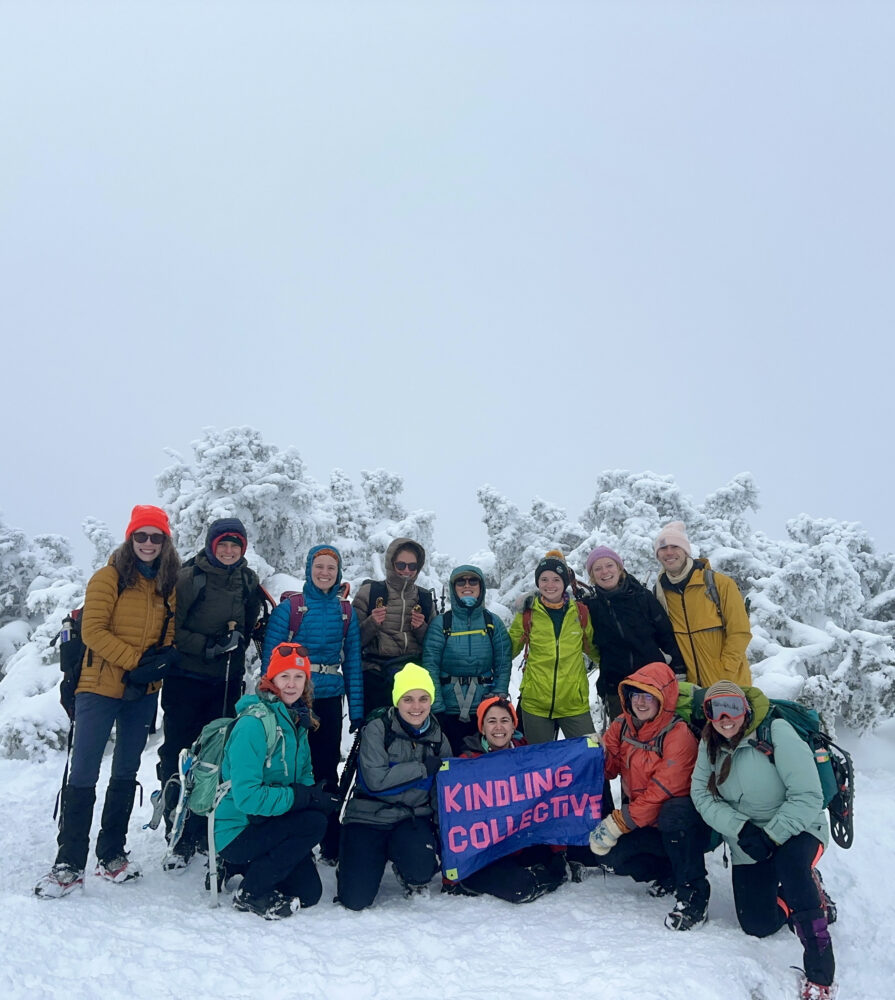
My partner Eva and I started Kindling Collective,  a queer centered outdoor gear library based in Portland, because, like the running world, the outdoor recreation world is predominantly made up of straight, cisgender communities. While people in these spaces may say they’re for everyone, you’re often only really welcome if you can show up and hang with the in-crew. And if you don’t already speak the language, know the people, have the skills? Then that space, that activity, that world, isn’t really for you. At Kindling, we wanted to create a space that centered queer people. We put queer people first when designing programming and structures that reduce barriers to the outdoors. We wanted to create opportunities for queer people to do outdoor activities they love in communities where they don’t have to twist or stretch or make themselves smaller or more palatable in order to fit in. We wanted to create spaces where queer people could try an outdoor activity for the first time in an environment that celebrates being a beginner, taking risks, and making mistakes. And we wanted to create a library of outdoor gear that anyone of any identity can use, as long as they’re on board with supporting and affirming queer folks.

I want everyone to be able to feel the way I do now when I go on slow, meandering runs with my queer friends—joyful, strong, safe, playful, and alive, alive, alive. 


MSC invites you to stop by fellow Maine Outdoor Brands member, Kindling Collective

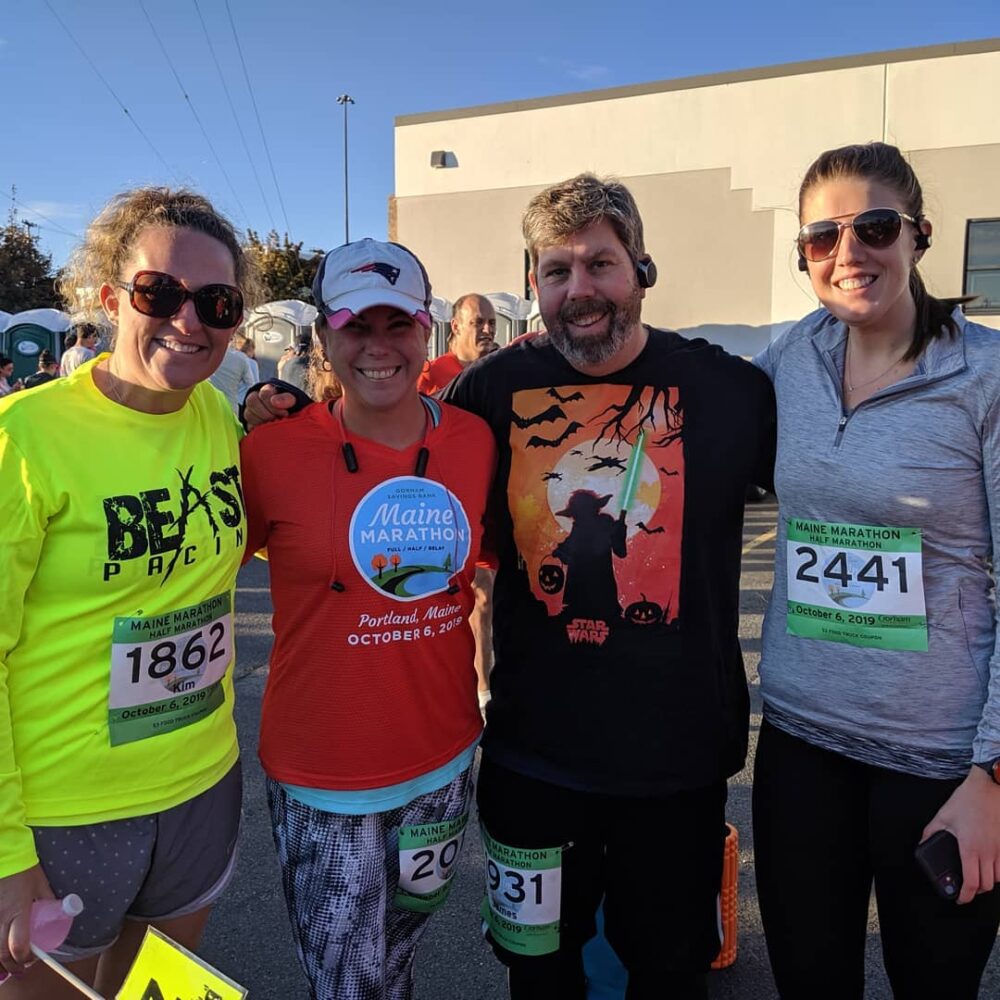
Jim Williamson, Gorham Savings Bank Maine Marathon Ambassador – Sarcoid Warrior

“Obstacles don’t have to stop you. If you run into a wall, don’t turn around and give up. Figure out how to climb it, go through it, or walk around it.”- Michael Jordan

My running career didn’t start until I was 37 years old, and I thought it was over at 43. In January of 2021, I was diagnosed with an autoimmune disease called Pulmonary Sarcoidosis. When I say that to most people, I generally get two responses, “What is that?”  Or, I know what that is, I watch House. Ironically, I use a line from House to describe it. You know how it’s never Lupus?” It’s a disease that most commonly causes granulomas to form in the lungs and causes general havoc with your entire body. Having a lung disease, with the possibility of cardiac involvement as well, I didn’t know if I would be able to run again, and the steroids that are part of the treatment accelerated the effects of not running. Long story short, after months of medical tests I was cleared to start running again.

In that time, I had gone into a deep depression, since running had been my therapy for the previous six years. During that period, I made a deal with the “powers that be” that if I got out of this intact, I would do something that had been a bit of a joke amongst my running friends and myself. I was going to run a marathon, and I would use that platform to illustrate to others with my disease that we don’t have to be defined by it. There are very few resources regarding Sarcoidosis, and it’s so rare that the A.D.A. (Americans with Disabilities Act) doesn’t recognize it. One symptom must be intense enough to qualify on its own, instead of the total disease. That can cause a feeling of isolation, and hopelessness. I wanted to use the platform of one of the largest races in Maine to show others with my affliction that we can still do these things, and even excel at them, despite the physical challenges presented. The Gorham Savings Bank Maine Marathon recognized what I was doing that year. The organizers arranged for WMTW to do a story about my experience as a “sarcoid warrior” trying to raise awareness and working to try and inspire others to pursue their own goals and overcome the challenges in front of them. This race was so good to me on every level possible I wanted to give back to it this year by being an ambassador and encouraging folks to sign up and run. It doesn’t matter how fast you are, if you must walk some of it, if this is a goal come accomplish it. At the very least, I’ll be there to help encourage whoever needs it. Whether it’s 26.2 or 13.1, we’re all here for each other, no matter how daunting the course.

Sideline Stories: Sue Cook, Cross for LifeFlight Dedicated Participant

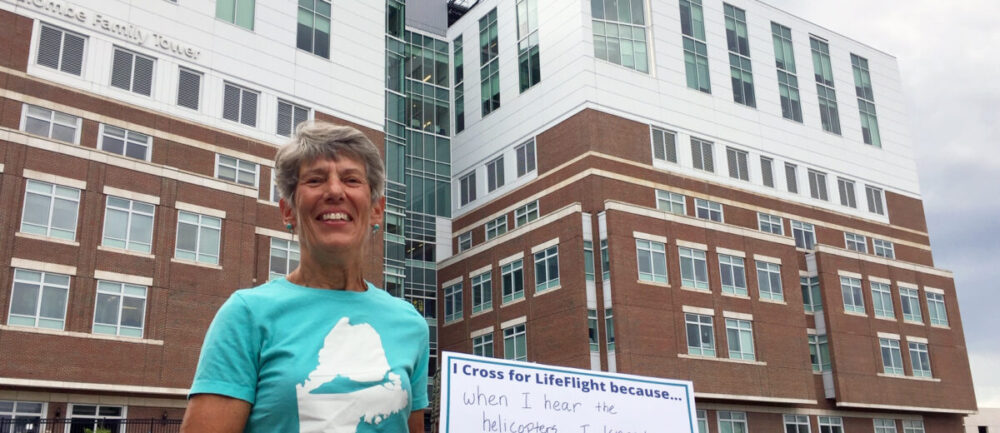
Sue Cook first participated in the Cross for LifeFlight in 2021 and has every year since, logging miles and raising critical funds for LifeFlight of Maine. But her LifeFlight story began more than decade before that.

“I was on my way to a meeting in Boston, when I got a phone call that I needed to go to the hospital in Skowhegan where my husband was having a heart attack,” she recalled. That was 2009. “When I got to the emergency room, they said that a helicopter had been called.” Her husband, Jim, was flown by LifeFlight of Maine from Skowhegan to Bangor, where he received advanced cardiac care. Sue remembers an incredibly stressful few hours, during which Jim’s medical team suggested she call her children and tell them to come to the hospital.

That night, after Jim was flown to Northern Light Eastern Maine Medical Center in Bangor, his condition began to improve. “I’m very grateful that he got the medical attention that he needed at the time he needed it,” Sue said.

Today, 15 years later, Jim and Sue live in Portland’s West End next to Maine Medical Center. They hear LifeFlight helicopters come and go all day and night. “Every time I hear it, I know that someone is getting the best care the can,” Sue said. “My disturbed sleep is nothing compared to the medical emergency that person is experiencing.”

Participating in the Cross for LifeFlight is how Sue has chosen to help make sure LifeFlight is there for the next family like hers that is facing an acute medical emergency. She says she picks an activity that she does regularly anyway, such as walking or hiking, and sets a mileage goal that challenges her a bit.

Raising money to support her Cross for LifeFlight goal is the easy part for Sue. “I reach out to a lot of different groups that I’m involved in,” she said, “my book group, my pickleball group, my friends. I love the swag. I wear the t-shirt, and I put the temporary tattoos on. All of these things allow me to have a conversation with people and point out that they probably know someone who has had a LifeFlight experience, or they will. People are very understanding and generous. People get it.”

Sue also chooses to support LifeFlight through the Cross for LifeFlight because it allows her to increase the impact of her own donation. “I think about my $100 donation. It becomes $2,500 or $3,500 because I’m leveraging all of my contacts in addition.”

“Do you have 35 friends who might give 10 dollars?” Sue said. “Break it out. Cast a wide net. Don’t assume that someone can’t make a gift to support this effort. They’ll be impressed when they hear what you’re doing to support LifeFlight.”

Click here to learn more and sign up for the Cross for LifeFlight! 

PADDLE. Cross Casco Bay: This sunset stand-up paddleboard event on Thursday, August 1, 2024, from 6-8pm, will be led by Portland Paddle. The paddle will begin at East End Beach in Portland. (All equipment will be provided.)
HIKE. Cross Penobscot County: Join us for a group hike on Thursday, August 15, 2024, at 4PM  at Fields Pond in Holden, ME in partnership with Maine Audubon. Some hiking experience and proper footwear is strongly recommended. Hikers will have the opportunity to learn about LifeFlight’s aviation and clinical operations from those on the front lines.
BIKE. Cross York County: This group bike ride on Saturday, August 24, 2024, beginning at 9am, will be led by the Bicycle Coalition of Maine. Choose between a 10-mile or 20-mile guided route, depending on your comfort level and experience. New this year, for those interested, we will have a select number of e-bikes available to utilize for your ride!
Cross for LifeFlight participants can choose to attend any these event as part of (or all of!) their Cross. Please note, capacity is limited and it is first-come, first-served, so sign up NOW!  

Sideline Stories: Bella Hincapie, Gran Fondo Hincapie Bangor Cyclist

I have grown up my entire life around the sport of cycling. My uncle, George Hincapie, is a former professional cyclist and my father, Rich Hincapie, has created his career and his life around a company that puts on cycling events and sells cycling apparel, Hincapie Sportswear. Despite all that, I was not a cyclist until about a year ago. You would think with growing up around cycling it would be easy to get into, yet cycling can be a very intimidating sport. You need bikes, kits, special gear, and I was always just fine watching from the sidelines. I also knew that I was not built like a female cyclist – my body type is just different. Plus, I’m slow! I never considered cycling because I knew I could never keep up with the pace my family keeps on rides.

In May of 2023, I joined my family at their annual Gran Fondo Hincapie-Chattanooga event as an employee. I had been to previous Gran Fondo Hincapie events yet didn’t really know how much people love these events. After the event, the Hincapie Team and I went to dinner and got to talking about how Gran Fondos are one of the best cycling events there are because it provides the same great experience for every rider, no matter their skill level. Sitting around the table that night we all wanted to capitalize on our love for the event and share it with as many people as possible. I thought to myself, I surely am not the only person who is intimidated by cycling, right? So, we came up with the idea to share my story on social media in hopes of inspiring others to get out and ride! I felt lucky to have such a great support system and I knew we could inspire others by sharing my story.

A few weeks after Chattanooga I started riding. I had zero knowledge about the logistics, bikes, or gear. I started out on a borrowed bike, a helmet my father found in the garage, shorts, a T-shirt, and tennis shoes. I knew the basics, but riding a bike on the beach and cycling are two very different things. It was June and I had until October to train for Gran Fondo Hincapie – Greenville. My plan was to ride the Medio course; all 54 miles and 4,500ft of elevation. I love a challenge, but after that first ride, I was not feeling so sure of myself. I rode less than 10 miles that day and I was so uncomfortable that I just figured I would not get any better.

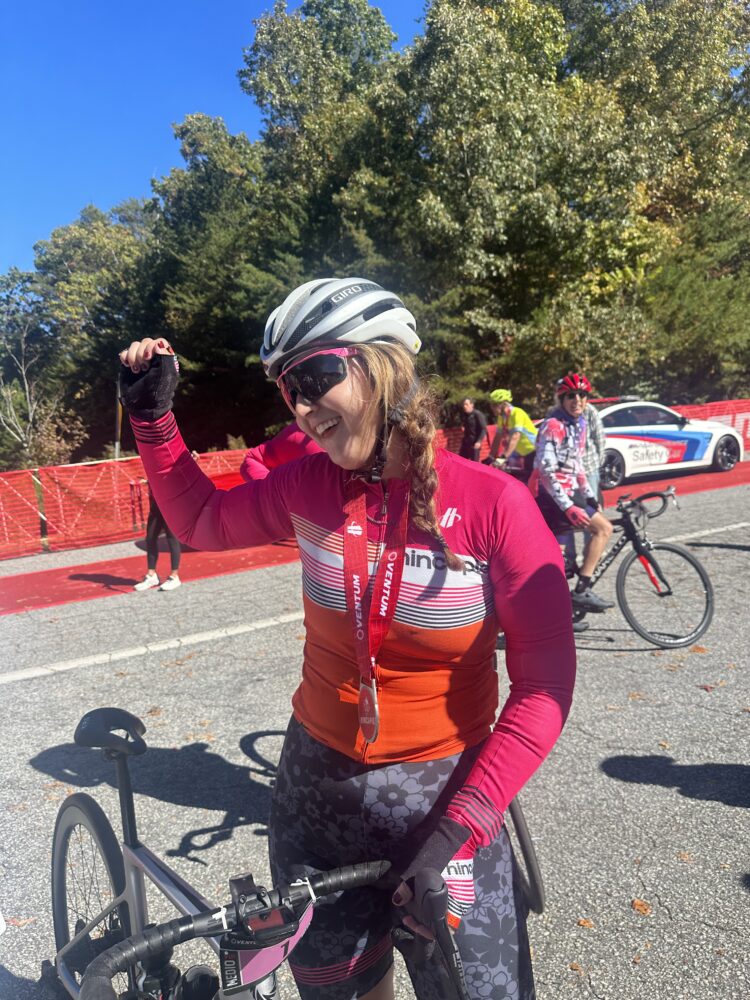
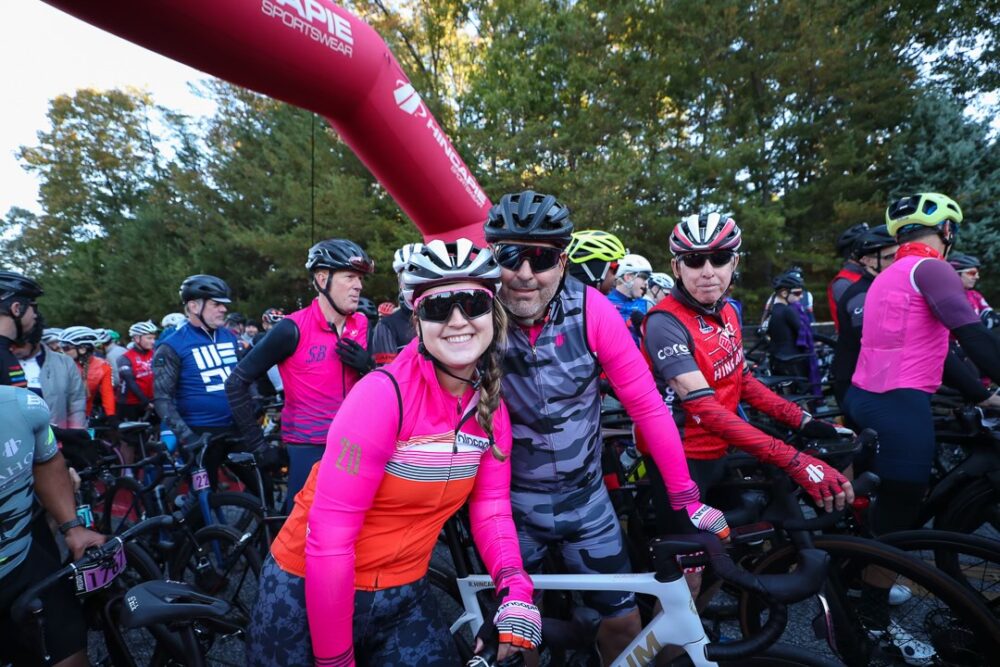
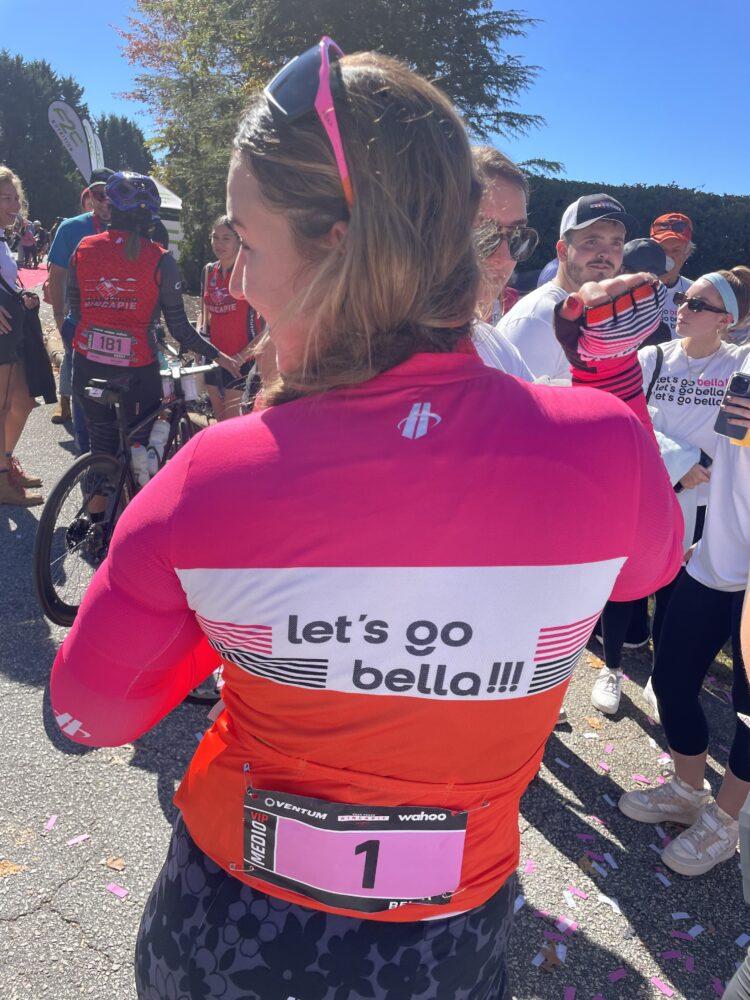
I learned how to clip in (after failing many times), I learned tips and tricks from former pro cyclists, I focused on nutrition, I learned how to change a tire, and got serious about my training. Every Saturday morning my father and I would go out on long rides with climbs so I could prepare for the big day. I felt myself getting stronger but not necessarily faster. The good  news was I didn’t care to be fast. As long as I finished it didn’t matter what my speed was. October arrived and my family and friends came out to support me. I kept telling myself that I just had to finish. I was so nervous; thankfully I had my Dad riding alongside me.  I truly did not think I was going to finish. The countdown began, confetti flew into the air, the music synced up with the beat of my heart and the next thing I knew I was riding across the start line. They say adrenaline carries you the first couple miles and it sure did! My father stayed by my side and we headed to the first long climb – six painful miles uphill. There were so many friendly people who encouraged me along the way. The last two miles were unreal. I could hear the crowd screaming and you knew I was close. I remember turning to my father saying “No way!! I’m about to finish!” Next thing I knew, I was crossing the finish line.

I felt exhaustion, exhilaration, pride and relief. Every single training ride and sore muscle led up to that moment. It was surreal.  But I did it! All the fear I had vanished and I felt proud of myself and the training I put in to accomplish my goal!

I want to keep inspiring people to get out there and ride! Take it from me, you can 100% do it! This year I will be training for Gran Fondo Hincapie – Bangor and Gran Fondo Hincapie – Greenville. I don’t know everything about cycling, yet, I know that I can do anything I set my mind to and so can you.

Best luck at the Gran Fondo Hincapie Bangor on June 22nd. MSC is excited to welcome you and your family back to Maine!

Sideline Stories: Esther Mei Devadas, Portland Rising

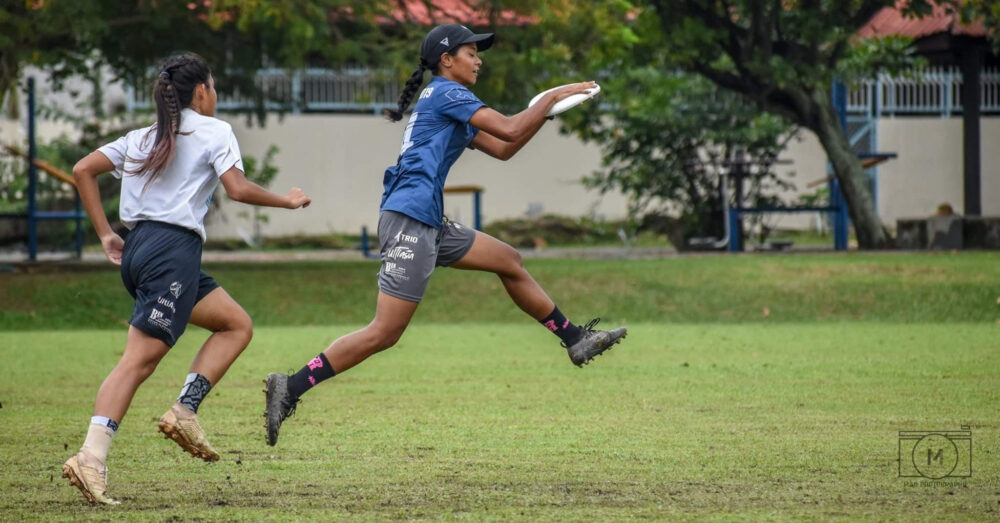
Malaysian – Esther Mei Devadas – Portland Rising #34

It’s difficult to describe the heat back home. While Maine enjoys crisp, middling warmth throughout the summer months, my home country of Malaysia is just a little different. Planted firmly on the equator, and boxed in by better known countries like Thailand and Singapore, it wasn’t at all uncommon to compete in a rust-brown, withered football pitch under 100 degree heat. The kind of heat that burrowed its way effortlessly through cleats, soles, and, on occasion, through skin.  

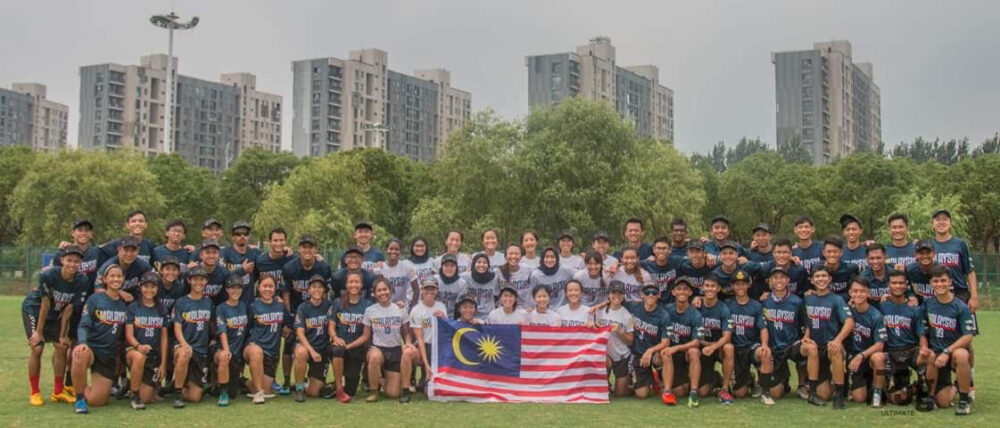
Yet, it was in this diminutive flame-licked region of Southeast Asia that I owe my Ultimate Frisbee career to – a career which spans over 15 years; catapulting me to stand as a Malaysian representative at the U24 World Championships. 

Today, I find myself on Portland Rising and part of the PUL community; an aspiration that seemed all but impossible a decade ago as I’d sat dejected from having barely scraped through tournaments while also navigating the tumultuous storm that was maintaining my undergraduate degree in psychology and the GPA I’d worked tirelessly to obtain. 

In 2018, when the WU24 had concluded and perhaps, against my better judgment, I decided to enroll in the Asia-Oceania All-Stars. (If there’s one thing we Ultimate players excel at, it’s staggered alliterative phrases!) Players from these regions amassed for a single commonality: connecting, building, and guiding players within these far-flung corners of our planet. Subsequently, I was invited to join Black Widows, a multi-racial and multi-faith elite women’s team that exists with the purpose to champion strength in diversity and promote values such as sisterhood, humility, intensity, intimacy, and trust. And if there’s one person to mention here, it would be Christina Hunter, a fellow Black Widow sister whom I owe a lot of my growth to as a frisbee player. Most uniquely, perhaps, was that both these teams placed their emphasis on showcasing women in top leadership roles, nurturing my aptitude as a coach and as a professional player, and more than that, it was ultimately providing an opportunity for players to simply have a voice. 

Few might know this and fewer still will fully appreciate the dangers of hushed discrimination, but, Malaysia is one of only a handful of countries that still practice government-approved racial segregation. Segregation that permeates every layer of our social institutions including, regrettably, our sports. To come from that and to be part of a community that forges unyielding bonds across cultures and countries today? It’s everything I’d longed for. 

Of the multitude of things that I’ve learned since being in Maine, perhaps the most significant realization is that I’ve learned to better appreciate the pronounced disparities in cultures of the East and of the West. Like anyone else, I have gotten carried away and I have, on occasion, lost sight of what is most important: the empathy we need to have for each other, especially in the context of frisbee or sports in general. Our communal spirit and the willingness to forge strong relationships with deep ties unabashedly, is, I think, keenly embedded in Southeast Asian culture and something I will always be proud of. 

I continue to fine-tune my abilities both as a mentor and as a player, assuming various leadership positions in frisbee teams and, in small but meaningful ways, nurture my community back home and today, in Maine. Because of this, I no longer represent just myself. Instead my aspirations are centered on my community as well as my fellow peers who will champion Malaysia in the World Ultimate Championships this year. 

For the many reasons one engages in sports, I play Ultimate Frisbee for the fierce, yet, beautiful competition. I play it for the friendships rooted deeply in trust and nourished by the passing on of this unique skill set to those that walk closely behind us. I play it because without it, I wouldn’t be where I am today and I look forward to doing this with Portland Rising, for all the experiences I’ve had before, and more!

MSC wishes Esther and Portland Rising an exciting season ahead!

Sideline Stories: Koda Hall and Alexis Lavers, Hyde School All American Wrestlers


A Conversation with All-American Wrestlers Koda Hall and Alexis Lavers, Hyde School

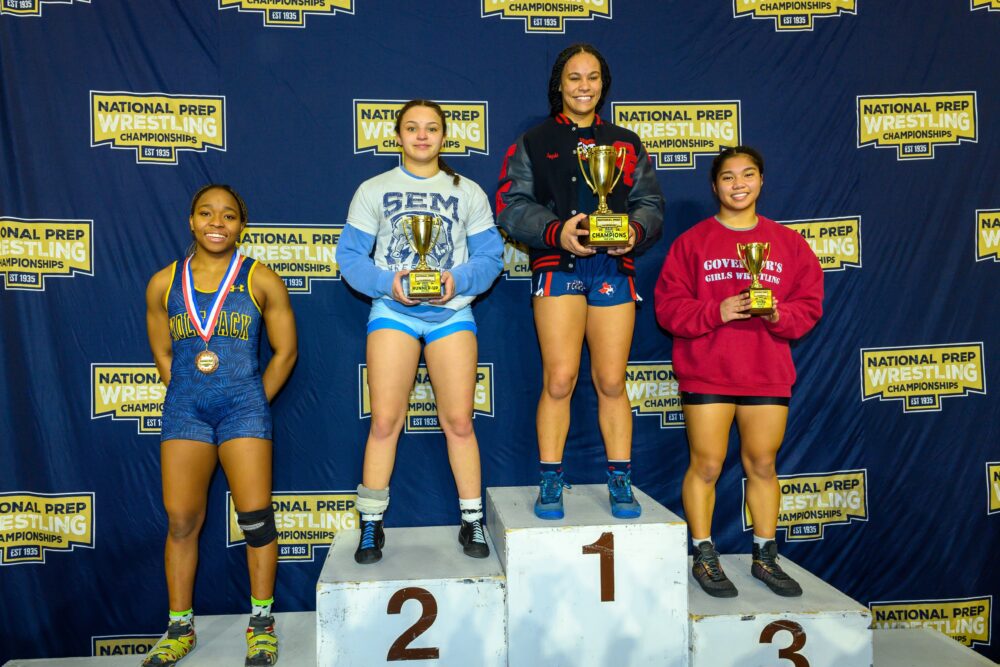
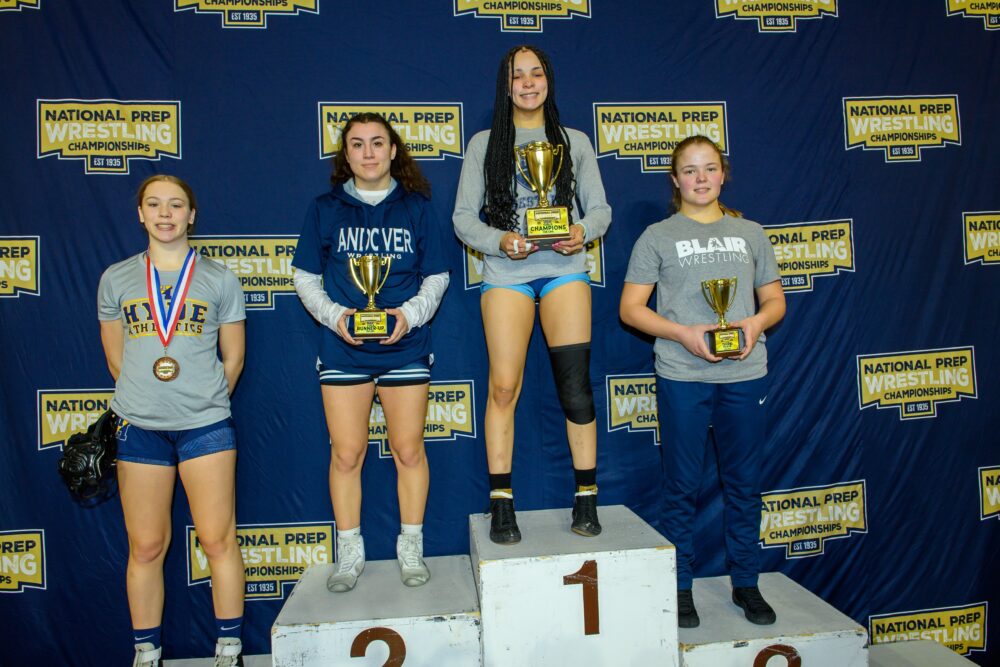
Athletes featured: Koda Hall, top photo far left; Alexis Lavers, bottom photo far left.

Hyde School celebrates two All-American wrestlers, Koda Hall ‘25 and Alexis Lavers ‘25, who both placed fourth in the National Prep Wrestling Championship, February 2024, at Lehigh University. Both wrestlers hail from Canada (Hall is originally from Jamaica and currently lives in Prince Edward Island, and Lavers is from Nova Scotia), and joined the Hyde School community this school year. They sat down with Hyde faculty member, Lisa Geller, for a conversation about their experiences with sports.

How did you get involved in wrestling?

Lavers: I was playing flag football when my coach came and told me I should try wrestling because I was “feisty” and “determined.” At the time, I was only 4 feet 7 inches and 73 pounds, yet I decided to take on the challenge. It was weird being a little girl practicing with all the big guys but it pushed me to become a better wrestler and increased my confidence.

Hall: I was randomly scrolling through Instagram in the 10th grade when I came across a post that my school was bringing wrestling back as an interscholastic competitive sport. I always wanted to take up boxing, and thought wrestling was close enough. I went to the coach, Gary MacQuaid, and told him “I’ll catch up to this. I’m an athlete!” When things would get tough on the mat, MacQuaid would always remind me of that.

Why do you wrestle?

Lavers: I wrestle because it is a confidence booster for me and for the feeling I get being part of a team both on and off the mat. I keep going because of the inspiration I get from one of my coaches, Mike Lidstone, who is like a father figure to me. I am also inspired by female wrestler Erica Weibe who was also coached by Lidstone. She was beaten by all the guys, too, though ended up an Olympic gold medalist in the 2016 Rio games.

Hall: I never thought I’d be a wrestler because I always thought rugby was life. When I saw the opportunity wrestling presented for me, I knew I was going to take a different route. After just a year on the mat, I was approached by Coach Lidstone who asked if I was interested in attending a prep school. One day, sitting in math class, I got a call from Coach Christian Jensen at Hyde. One of my mantras is to have faith in the Lord; I did and here I am standing on the podium as an All-American.

What is it like to be a female athlete in a typically male dominated sport?

Lavers: The stereotype, and sometimes reality, is that boys are just naturally bigger and stronger. It is cool to see I can beat them as long as I have the technique and work hard.

Hall: It feels good to be a female wrestler. It builds my strength and shows it is possible to win even if I may be outmatched when competing against boys.

What do you hope to do in the future?

Lavers: I want to go to a university in the U.S. and wrestle at the collegiate level. My dream is to study kinesiology and become a sports medicine doctor.

Hall: I hope to attend an Ivy League university and wrestle competitively. My dream is to become an orthopedic surgeon.

Athlete images:

MSC wishes Koda and Alexis all the best in their future matches and paths. Go Hyde –  Wolfpack Nation!

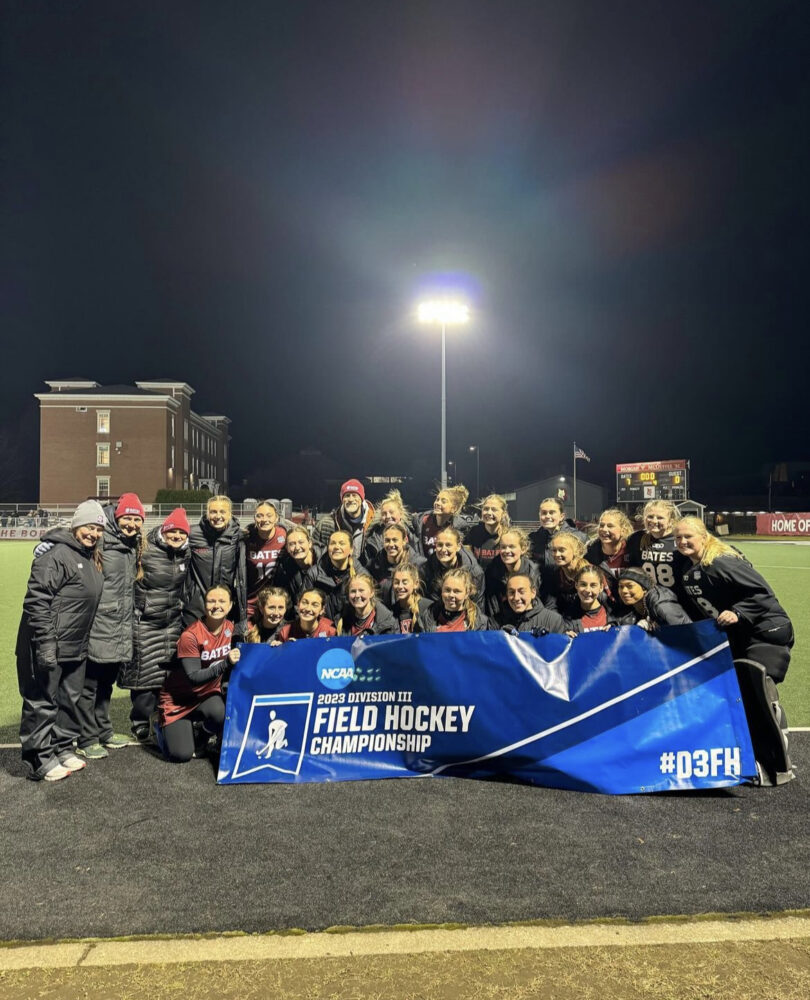
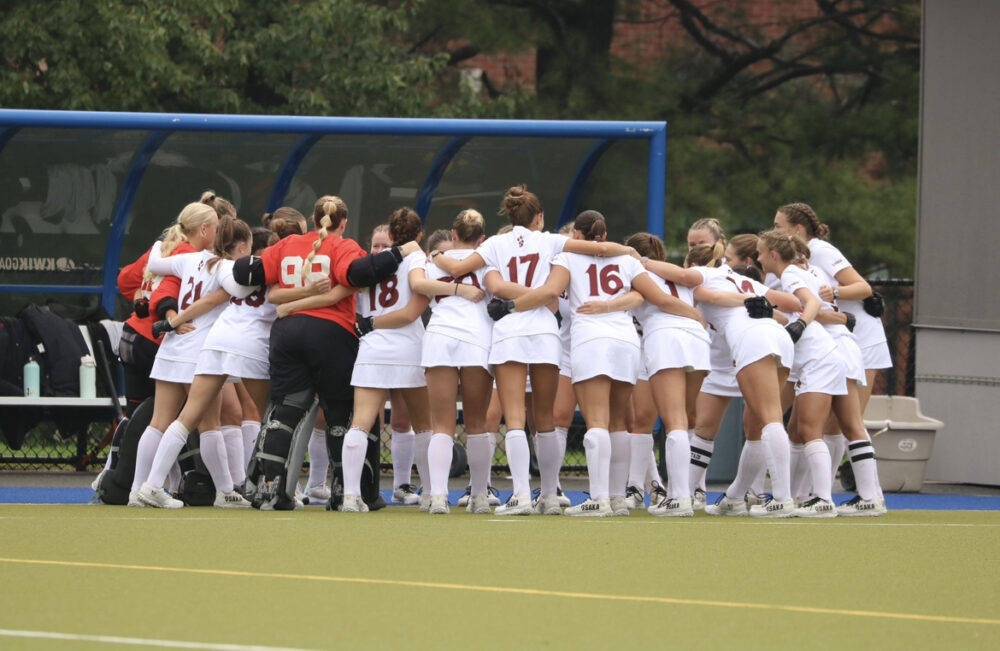
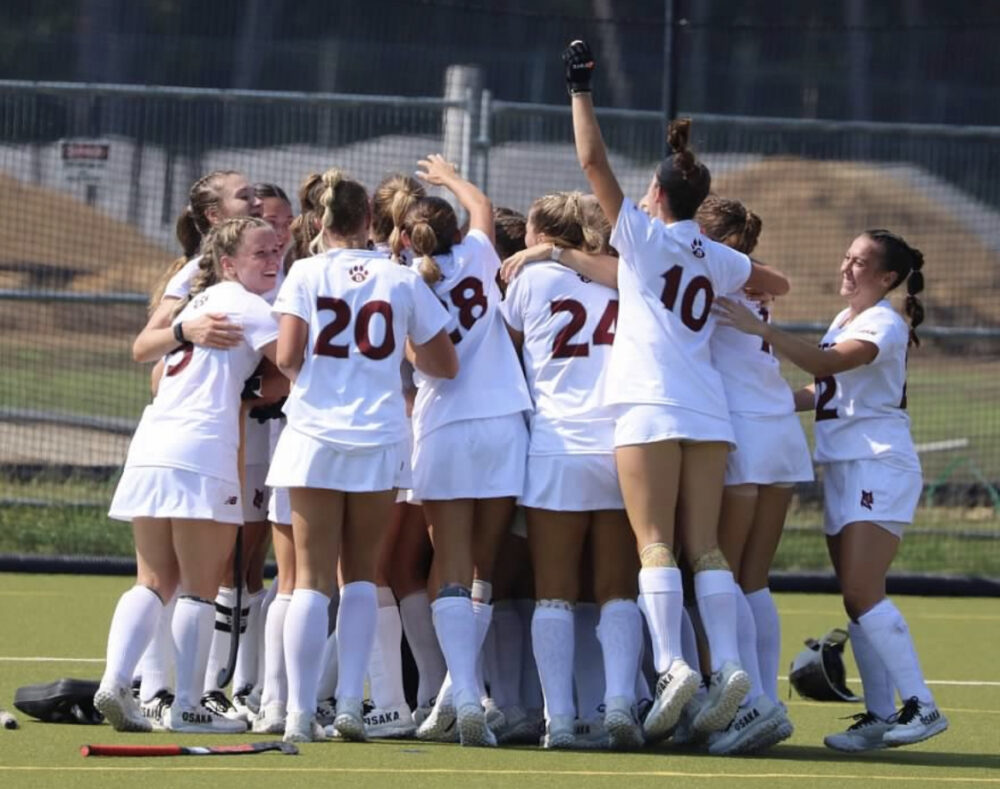
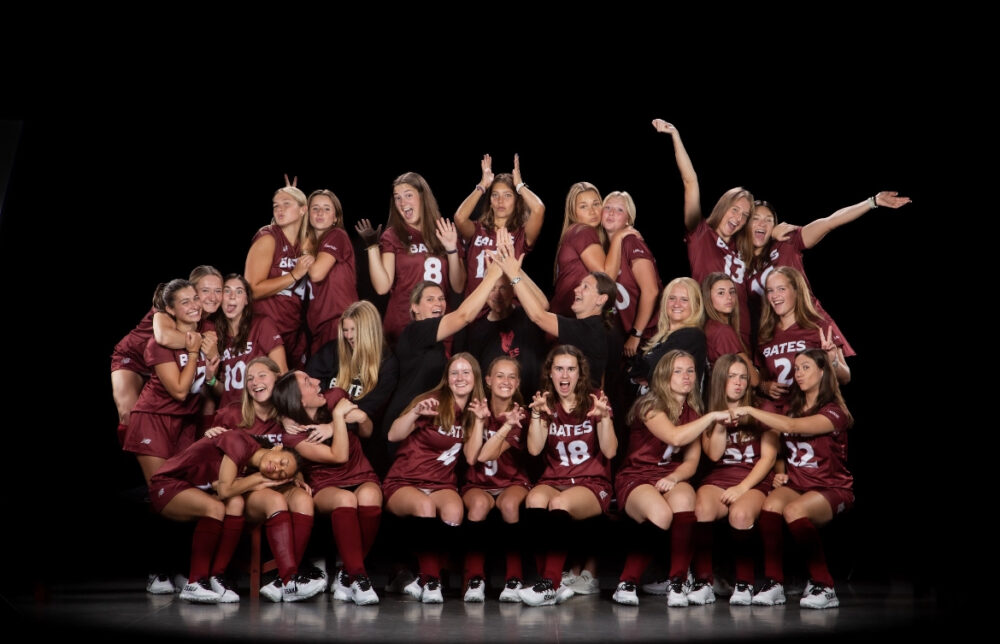
Sideline Stories: Lucy Norris, Bates Field Hockey’s Historic NCAA Tournament Run

I hear the crack as the ball connects with the back of the cage. The whistle blows, and we all glance around, registering the significance of the moment. We’ve just made program history by clinching victory in the NESCAC quarterfinals. Now, we’re poised to advance to the semifinals, propelling us one step closer to securing a spot in the DIII NCAA Field Hockey Playoffs.

We rush the field, the sideline converging with the players who’ve tirelessly battled through our second overtime against Bowdoin. The ensuing group hug, filled with jumps and screams, floods me with the purest joy I’ve ever experienced. Our fans barrel onto the field, and our parents look on from the stands, their pride, love, and excitement radiating brightly.

This is just one of the many extraordinary moments from the Bates field hockey 2023 season.

My name is Lucy Norris and I am a sophomore at Bates College. As a Chicagoan who didn’t touch a field hockey stick until I was 15, I never expected to call Lewiston home and a team of East Coasters my sisters. However, coming into my second season as a player on Bates field hockey, I knew it was going to be a memorable one.

We kicked off the year with three wins and 22 goals in just the first week. Despite a rocky next few games, we remained steadfast, never allowing our spirit to waver. We defeated Trinity in overtime and secured our place at #10 in the country, a new program record. Finishing out our season with eight wins out of nine games in October, we felt unstoppable heading into the postseason. We closed out our season with numerous program milestones: a record-breaking thirteen wins in a season, an unbeaten home record, the best-ever NESCAC record (7-3), the highest ranking in the NFHCA coaches poll (7th), and the most goals scored in a season (63).

In the opening round of the NESCAC playoffs, we faced Bowdoin amidst the shadow of the tragic shooting that occurred in Lewiston just five days before the game. We stepped onto the field wearing blue socks to show our love for Lewiston, and hoped to bring some light to a healing community. The game was a grueling hour and 50 minutes of sweat and determination, and our win felt like it was about more than just field hockey. Junior Anna Lindies felt that the win was vindicating. “The energy of that game was powerful, and that night we solidified the fact that we are fierce competitors who deserve to be in those top NESCAC spots.”

After a loss in the semifinals against Williams, we didn’t know if our season was over or if we were going to have another shot at continuing our season, this time in the national playoffs. Huddled together in our meeting room, we anxiously awaited the announcement of teams selected for the NCAA DIII tournament. When we heard our name, we knew we had achieved something momentous: we were the first team in Bates Field Hockey history to be chosen for the NCAA tournament.

After an incredible win in the first round of the NCAA playoffs, we headed to the sweet sixteen where we learned that unfortunately, all good things must come to an end. In overtime against the #2 ranked team in the country, the whistle resounded as the ball found the cage, but this time the ensuing screams didn’t belong to us. Shock and sadness washed over the faces of my teammates and coaches. We had played the best game of our lives; how could it end like this?

“A huge part of me couldn’t process that it was over because I firmly believed we would win,” our Head Coach Dani Kogut shared. Finally, we all came together on the field in one final hug. Although tears ran down our cheeks and emotional hugs took over the field, our happiness and pride from the season was able to overpower the sadness from the loss. No loss could take away the strength, determination and sheer love of the game and each other that propelled us as far as we could have ever imagined this season.

Go Bobcats!

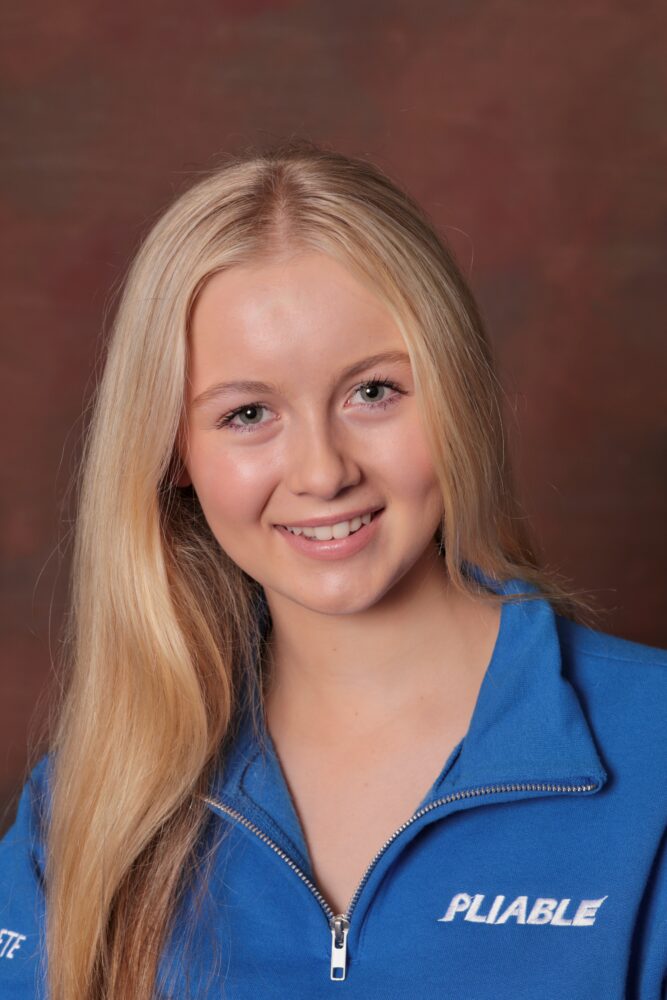
Sideline Stories: Natalie Beaudoin – Community-minded rising basketball player

Lewiston’s Natalie Beaudoin is Inspiring Next Generation of Maine Athletes


Growing up in Maine has significantly impacted my life and shaped my path as a student-athlete. One of the most significant parts of my childhood was the opportunity to get involved in sports, particularly basketball. Starting from my involvement in Lewiston Recreation in second grade to being a part of Maine’s most successful national AAU team, the Firecrackers, I’ve had the privilege of participating in top-notch programs that equip young athletes in Maine with the tools for success.

My journey as a young athlete in my home state has been profoundly shaped by the unwavering support of Kristina Blais (Founder of Blais Hoops Academy) and Coach Abi Davids (Owner and coach of XL Thunder and Maine Firecrackers) within the state’s athletic community. These mentors have consistently emphasized the values of discipline, teamwork, and determination, qualities that extend far beyond the court and are fundamental for success in all aspects of my life.

Despite the challenges of Maine’s less prominent sports scene, these experiences and mentors have made me more resilient and driven, motivating me to seek opportunities beyond our borders. Maine has molded me into a determined athlete prepared to overcome obstacles and excel at the Division I level next season.

As I prepare for the transition to Division I basketball at the University of Vermont, the recent changes allowing student-athletes to benefit from their Name, Image, and Likeness (NIL) have opened new avenues for me to grow my athlete brand. I am excited to use my NIL to not only enhance my personal brand but also to make a positive impact on others. By working with Greg Glynn at Pliable Marketing I am exploring all the ways I can inspire the next generation of athletes and give back to my community.

My journey through the world of sports in Maine has shaped me into the individual I am today. I am grateful for the opportunities and the positive impact sports have had on my life. As I move forward, I am determined to utilize my athletic platform to make a meaningful difference and inspire other young athletes to chase their dreams.

* * *

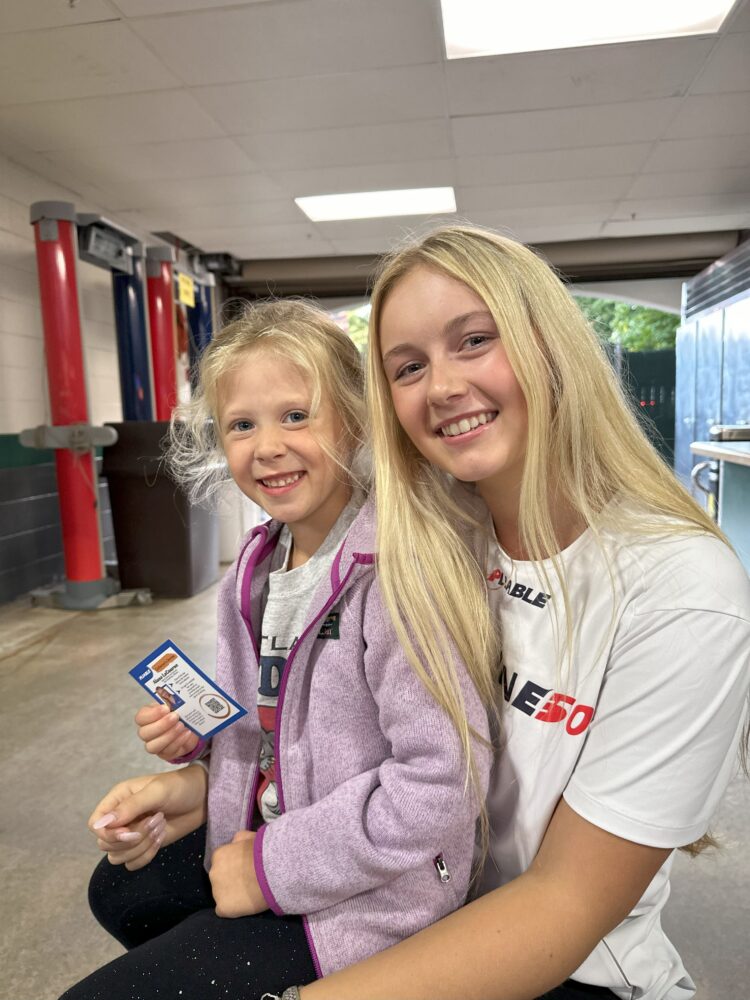
Natalie and fellow Maine athlete, Maddie Niles, used their NIL funds to give back to the Ronald McDonald House, a story featured in the community link here.

Since the tragedy in Natalie’s hometown of Lewiston, she has created a clothing line to support all those impacted: “We Are Lew1ston.” The Maine Sports Commission applauds this local athlete for finding ways to help her community.